



We work across four main branches
In order to help facilitate the widespread adoption of natural infrastructure practices across the United States, we’ve identified four main areas that need additional work:
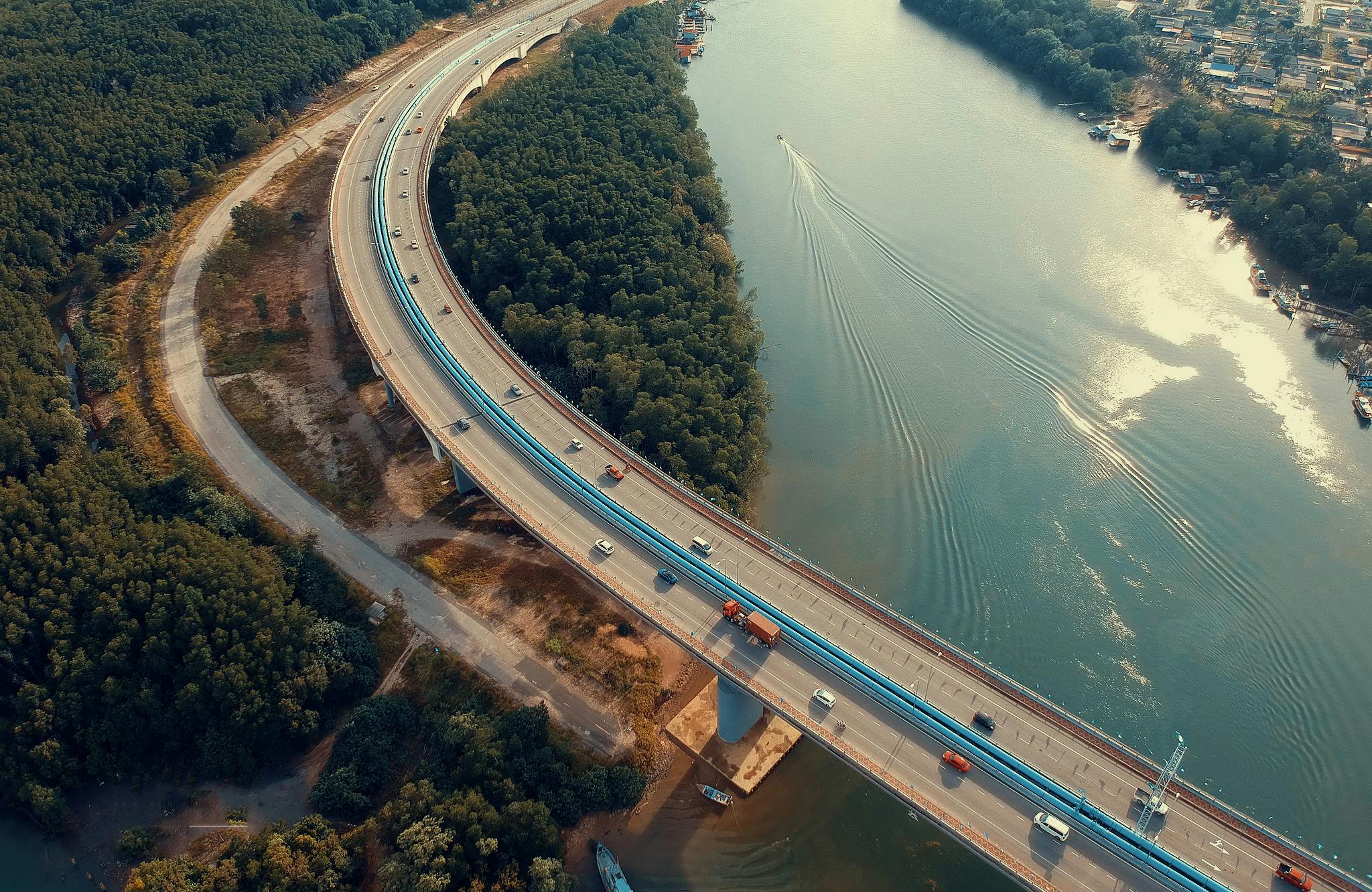
Developing methods and standards
New tools, techniques and guidance are needed to effectively plan, design, construct and operate natural infrastructure at different scales
Assessing benefits and costs
Natural infrastructure provides communities with a broad array of economic, environmental and social benefits. Improved approaches are needed to evaluate, quantify and forecast these benefits to support planning and decision making
Monitoring performance and outcomes
Technically sound, efficient and applicable methods are needed to track natural infrastructure performance over time, develop the evidence base for future designs, ensure compliance with policy and inform project operations and adaptive management
Integrating people and policy
Providing infrastructure that supports human wellbeing and equitably meets the needs of diverse communities requires integration of human values, attitudes, beliefs, perceptions and policies with modern communication and collaboration practices
Combining a diversity of on-the-ground experience with interdisciplinary teams.
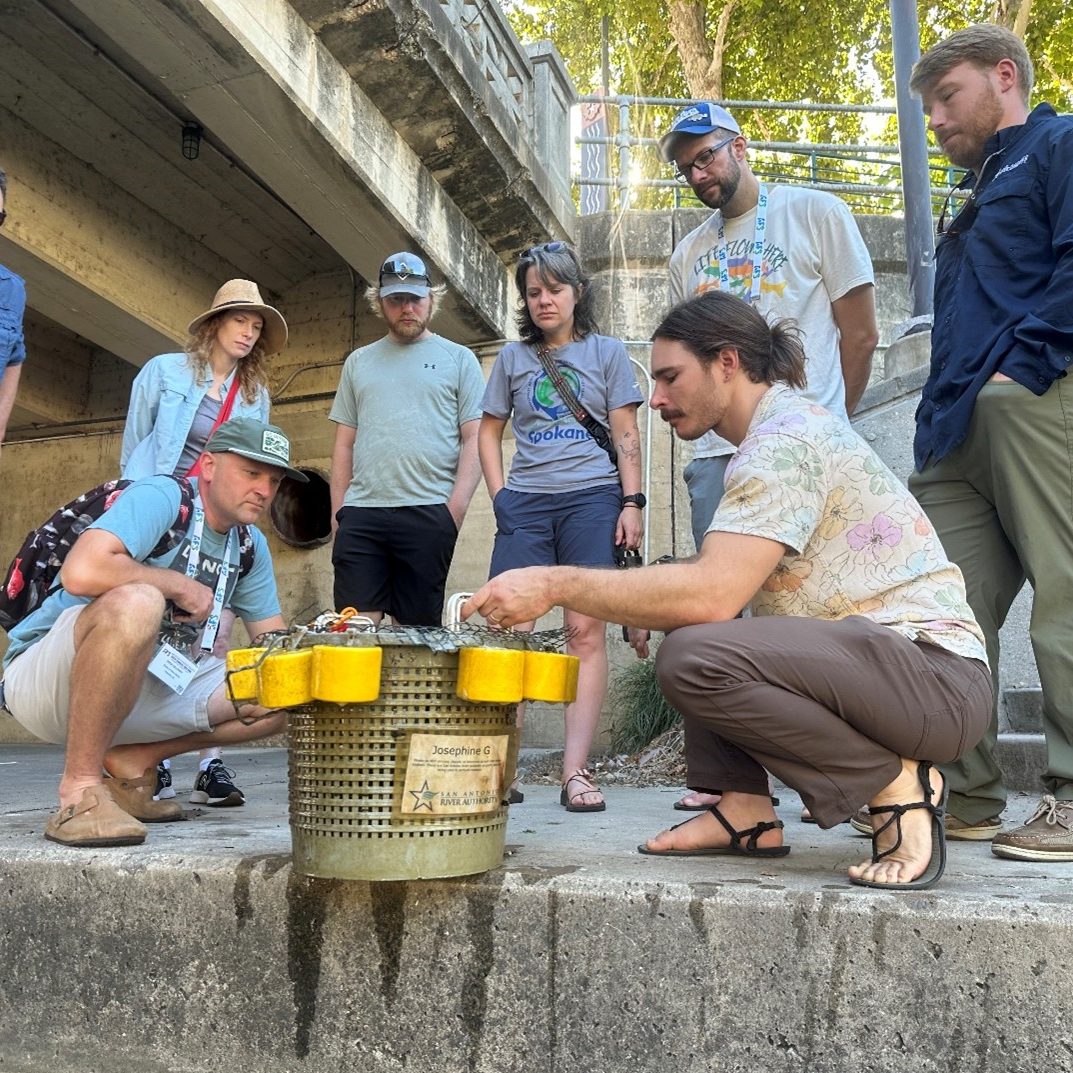
The NNI community is made up of over 30 partners from industry, academia and the non-profit sector.
What NNI’s been up to:
-
ECOncrete: Comparing Eco-Engineering Performance at Shark River, NJ
Can eco-engineered solutions outperform traditional marine infrastructure both biologically and structurally? The answer is taking root on Shark River Island, New Jersey, where ECOncrete collaborated on a hybrid #livingshoreline to stabilize a highly eroded waterfront. ECOncrete’s eco-engineered concrete mattresses were deployed alongside marsh restoration to protect the submerged shoreline and support habitat recovery. With results…
-
October 2026 Knowledge Series: Nature-Based Coastal Resilience at Marine Corps Recruit Depot Parris Island
Matthew Bilskie, University of Georgia Institute for Resilient Infrastructure Systems Marine Corps Recruit Depot Parris Island (MCRD-PI), South Carolina, is exposed to coastal flooding, sea-level change, shoreline erosion and associated land loss. These hazards affect installation infrastructure, training areas, natural resources and long-term mission readiness. This webinar will highlight ongoing efforts at MCRD-PI to move…
-
We changed our name!
We’d like to proudly reintroduce ourselves as the Network for Natural Infrastructure (NNI). After six years as the Network for Engineering With Nature, our network had grown rapidly. While we’re the same friendly crew of non-profits, universities and businesses working toward integrating natural and conventional infrastructure, we now have a name that better reflects our…
Catch up with us
Join our mailing list to stay abreast of all things natural infrastructure.