



We work across four main branches
In order to help facilitate the widespread adoption of natural infrastructure practices across the United States, we’ve identified four main areas that need additional work:
Developing methods and standards
New tools, techniques and guidance are needed to effectively plan, design, construct and operate natural infrastructure at different scales
Assessing benefits and costs
Natural infrastructure provides communities with a broad array of economic, environmental and social benefits. Improved approaches are needed to evaluate, quantify and forecast these benefits to support planning and decision making
Monitoring performance and outcomes
Technically sound, efficient and applicable methods are needed to track natural infrastructure performance over time, develop the evidence base for future designs, ensure compliance with policy and inform project operations and adaptive management
Integrating people and policy
Providing infrastructure that supports human wellbeing and equitably meets the needs of diverse communities requires integration of human values, attitudes, beliefs, perceptions and policies with modern communication and collaboration practices
Combining a diversity of on-the-ground experience with interdisciplinary teams.
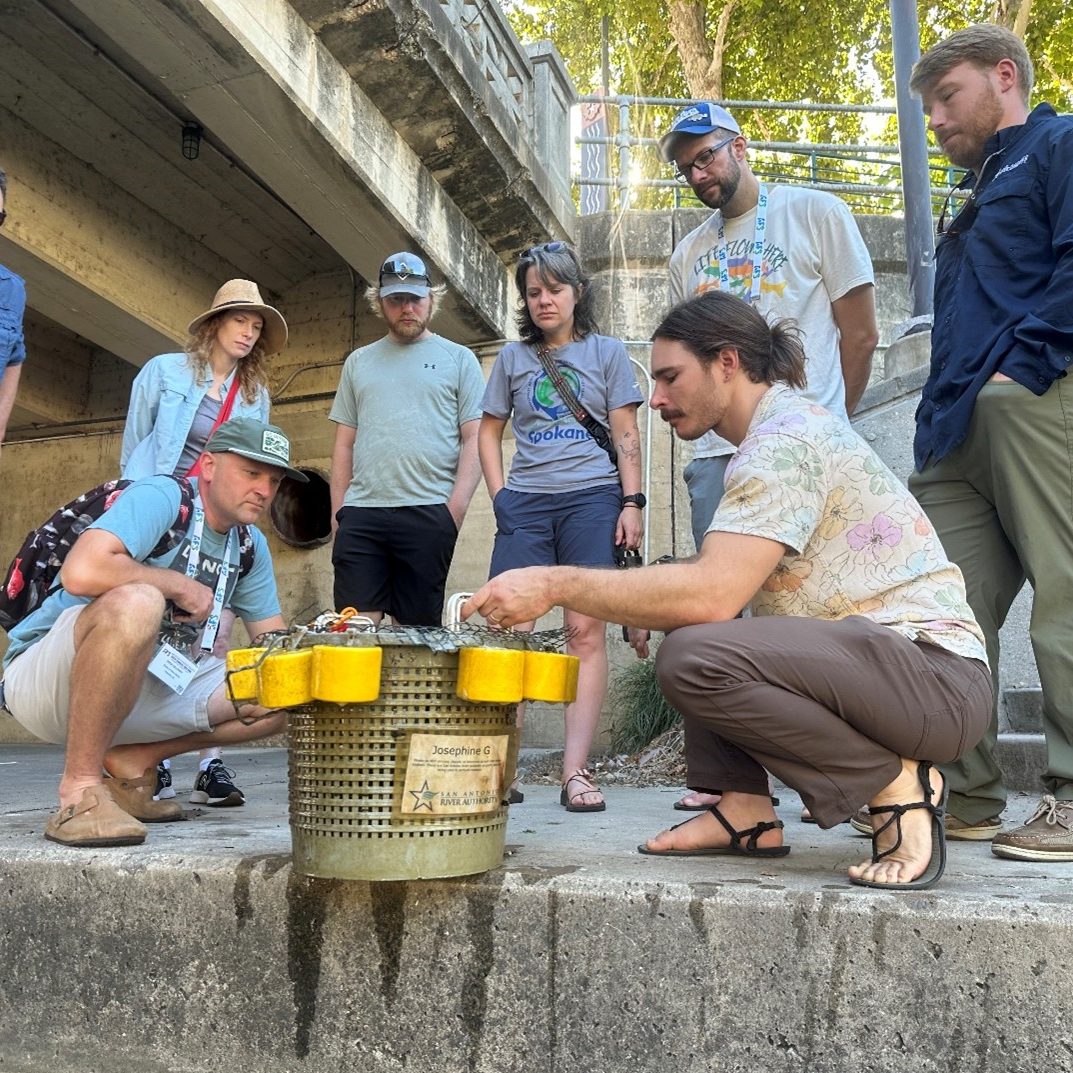
The NNI community is made up of over 30 partners from industry, academia and the non-profit sector.
What NNI’s been up to:
-

Rod Lammers Presents N-EWN Research at National Conference
Last week, N-EWN researcher Dr. Rod Lammers presented his research as part of the N-EWN initiative at the 20th Annual Meeting of the American Ecological Engineering Society. His presentation featured work by himself, Dr. Matthew Chambers, Dr. Matthew V. Bilskie and Dr. Brian P. Bledsoe, and was titled “Engineering With Nature: Using levee setbacks to…
-
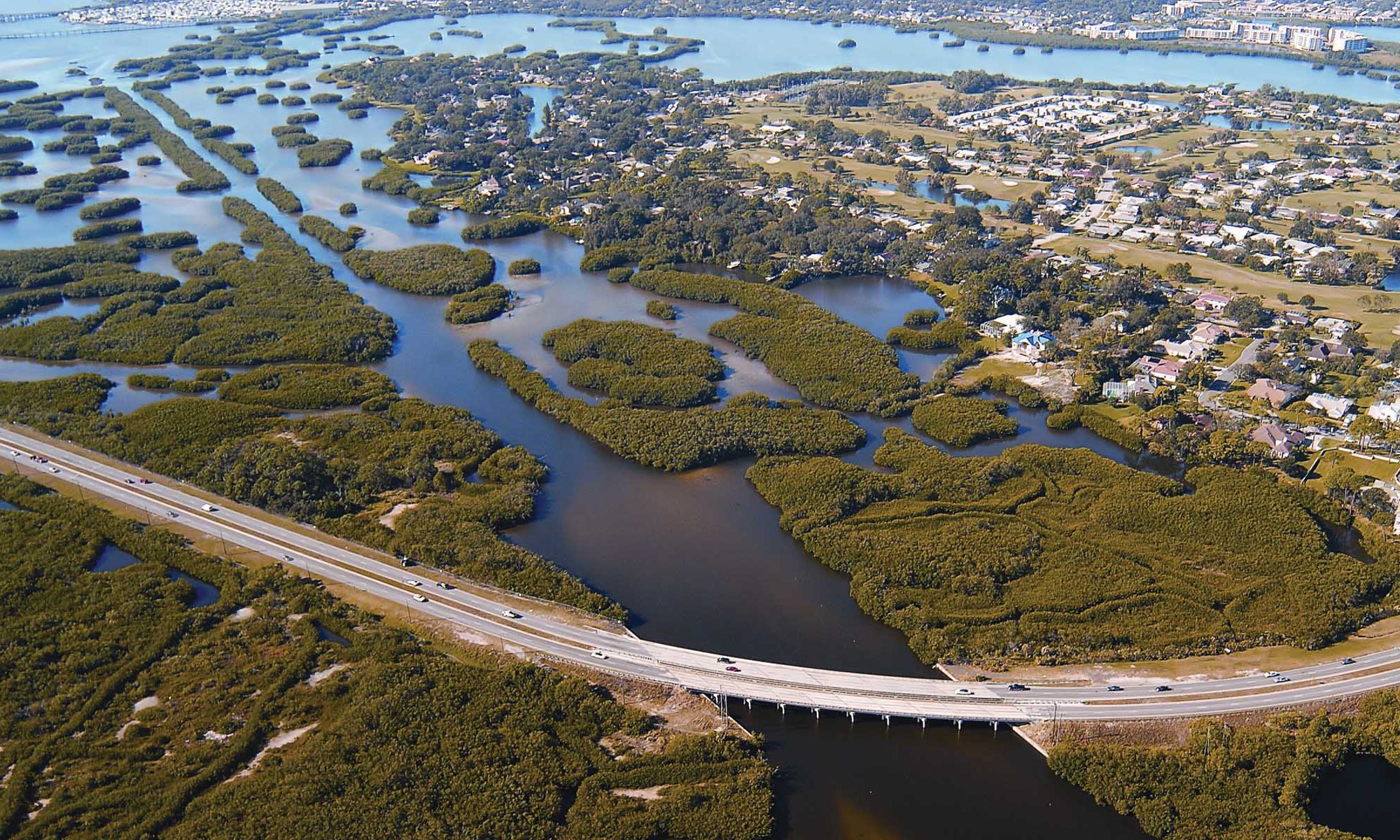
Research Highlight with Dr. Matt Bilskie
Fighting Flooding As flood hazards and risks increase over time due to climate change and increased development in flood zones, N-EWN researchers seek new ways to both predict future flood risks and address those risks through new technologies. University of Georgia researcher at the Institute for Resilient Infrastructure Systems, Dr. Matthew V. Bilskie, is working…
-
Check out the latest EWN podcast!
Episode #4: EWN’s Synergies with the World Bank’s Approach to Natural Infrastructure. In 2020, natural hazards like storms, floods, droughts, and wildfires caused more than $200 billion in damage worldwide and the death of 8,000 people. Since 1980, there have been 285 weather and climate-related disasters in the United States alone that have produced at least $1 billion in…
Catch up with us
Join our mailing list to stay abreast of all things natural infrastructure.