



We work across four main branches
In order to help facilitate the widespread adoption of natural infrastructure practices across the United States, we’ve identified four main areas that need additional work:
Developing methods and standards
New tools, techniques and guidance are needed to effectively plan, design, construct and operate natural infrastructure at different scales
Assessing benefits and costs
Natural infrastructure provides communities with a broad array of economic, environmental and social benefits. Improved approaches are needed to evaluate, quantify and forecast these benefits to support planning and decision making
Monitoring performance and outcomes
Technically sound, efficient and applicable methods are needed to track natural infrastructure performance over time, develop the evidence base for future designs, ensure compliance with policy and inform project operations and adaptive management
Integrating people and policy
Providing infrastructure that supports human wellbeing and equitably meets the needs of diverse communities requires integration of human values, attitudes, beliefs, perceptions and policies with modern communication and collaboration practices
Combining a diversity of on-the-ground experience with interdisciplinary teams.
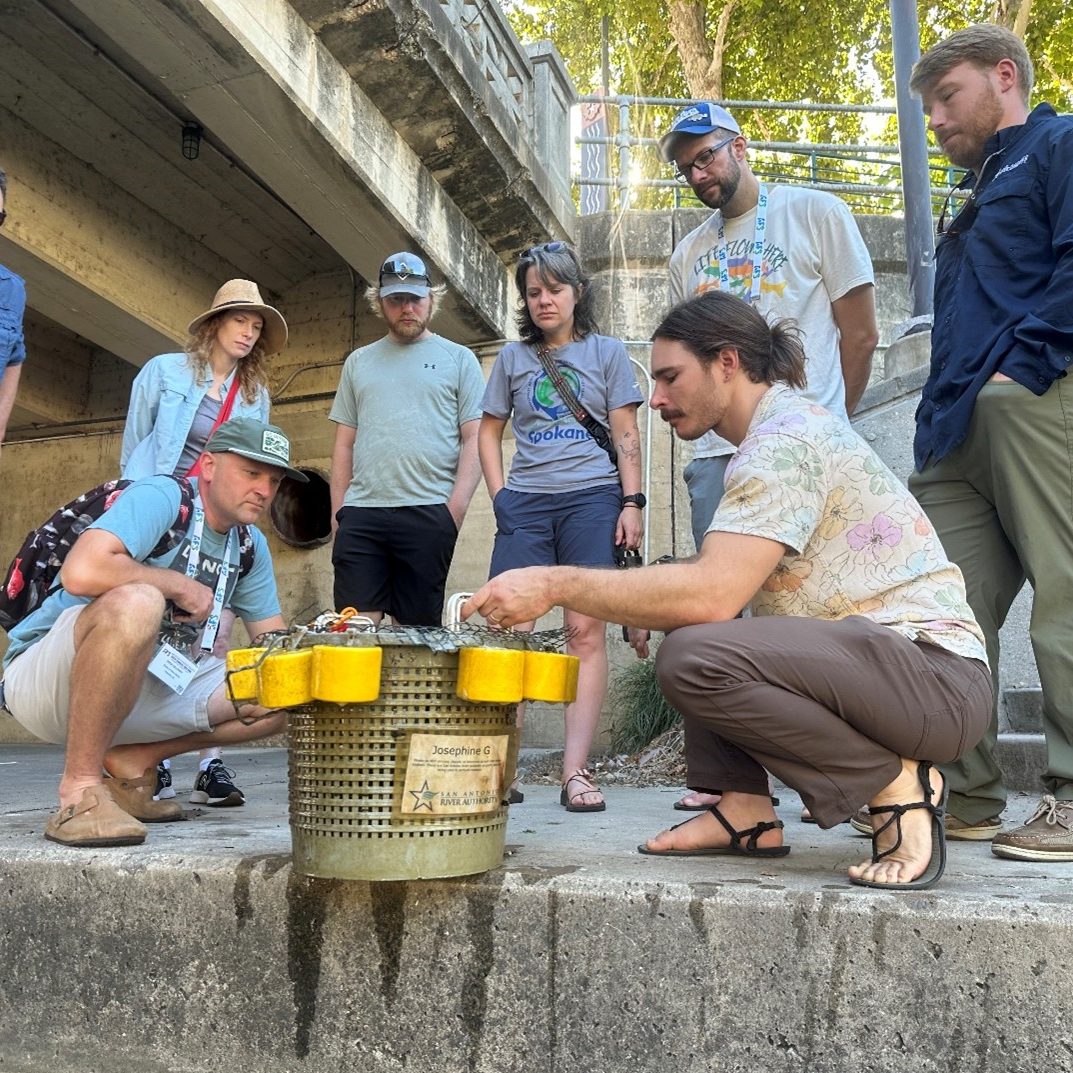
The NNI community is made up of over 30 partners from industry, academia and the non-profit sector.
What NNI’s been up to:
-
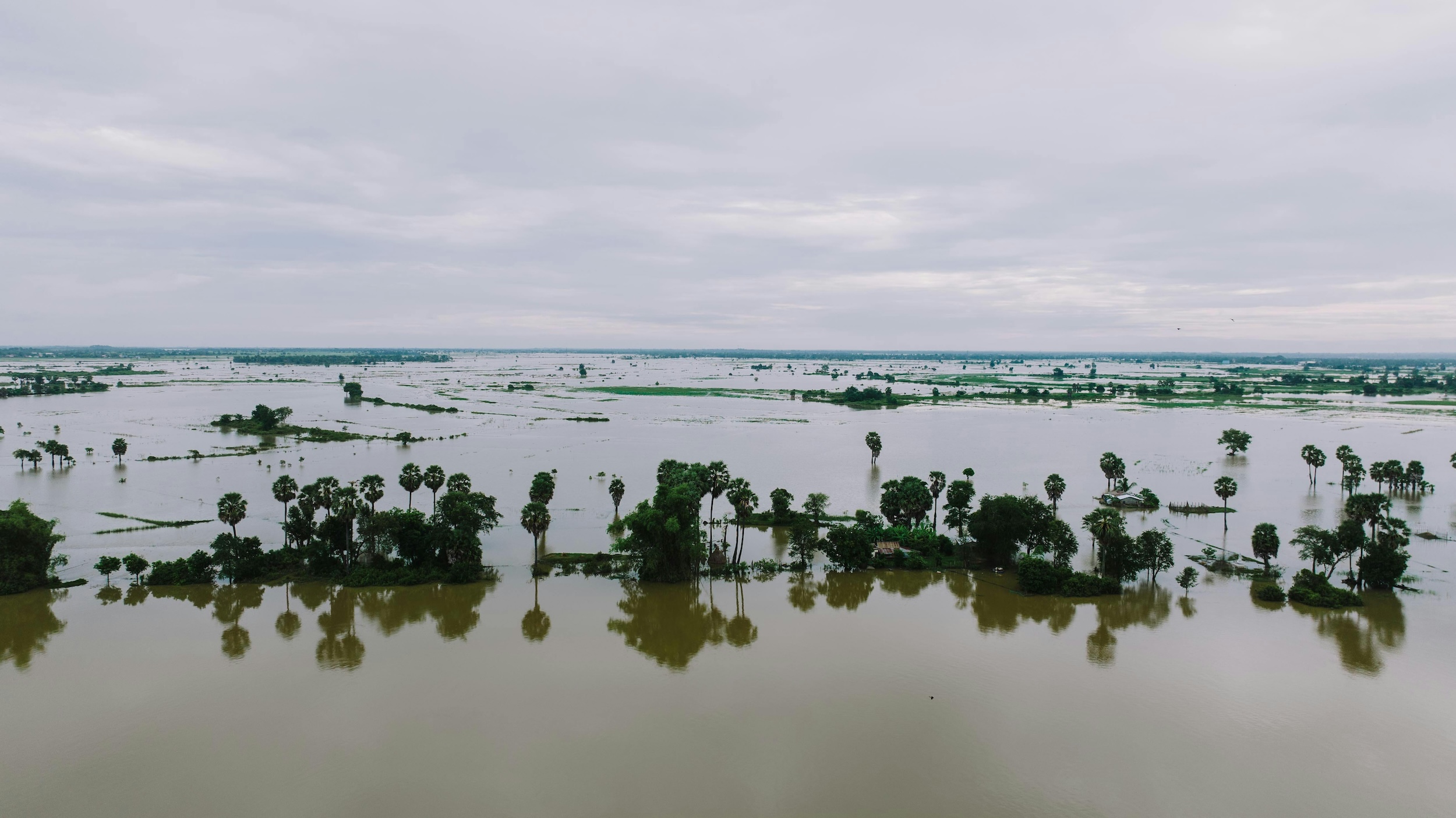
Interdisciplinary team investigate roadblocks to natural infrastructure implementation
In a recent literature review published in Science of the Total Environment, a team that included our partners at the University of Georgia, NOAA National Centers for Coastal Ocean Science and The Water Institute investigated the roadblocks and knowledge gaps in the pathway to natural infrastructure implementation in coastal regions. “Approximately 40% of the global…
-

Matthew Berg recognized as an Outstanding Alumni, Texas A&M
Dr. Matthew Berg, CEO and principal scientist at Simfero Consultants, was recognized this spring as one of Texas A&M’s Outstanding Early Career Alumni. Berg completed a bachelor’s degree in marine biology, a master’s degree in rangeland ecology and management, and a doctorate in ecosystem science and management, all at Texas A&M University- talk about school…
-

Publication examines sediment placement for restoring coastal marshes
A new ASBPA white paper from an interdisciplinary team, including our partners at Jacobs and NOAA, explores the potentially beneficial use of dredged sediment in coastal marsh restoration. Coastal marshes across the world, and even within the U.S., are an extremely diverse set of ecosystems with unique hydrology, geology, and climate. Restoration efforts must be…
Catch up with us
Join our mailing list to stay abreast of all things natural infrastructure.