




We work across four main branches
In order to help facilitate the widespread adoption of natural infrastructure practices across the United States, we’ve identified four main areas that need additional work:
Developing methods and standards
New tools, techniques and guidance are needed to effectively plan, design, construct and operate natural infrastructure at different scales
Assessing benefits and costs
Natural infrastructure provides communities with a broad array of economic, environmental and social benefits. Improved approaches are needed to evaluate, quantify and forecast these benefits to support planning and decision making
Monitoring performance and outcomes
Technically sound, efficient and applicable methods are needed to track natural infrastructure performance over time, develop the evidence base for future designs, ensure compliance with policy and inform project operations and adaptive management
Integrating people and policy
Providing infrastructure that supports human wellbeing and equitably meets the needs of diverse communities requires integration of human values, attitudes, beliefs, perceptions and policies with modern communication and collaboration practices
Combining a diversity of on-the-ground experience with interdisciplinary teams.
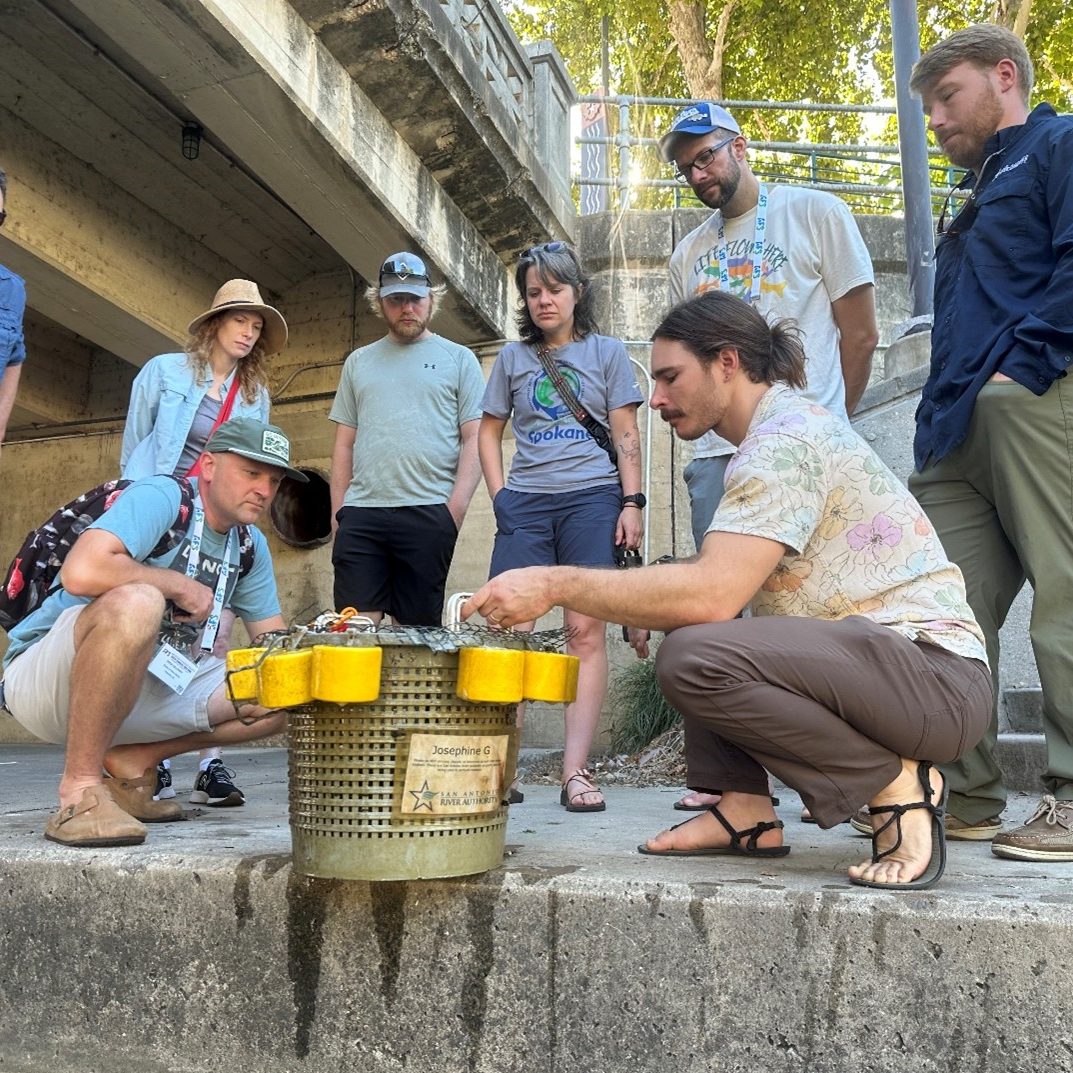
The NNI community is made up of over 30 partners from industry, academia and the non-profit sector.
What NNI’s been up to:
-
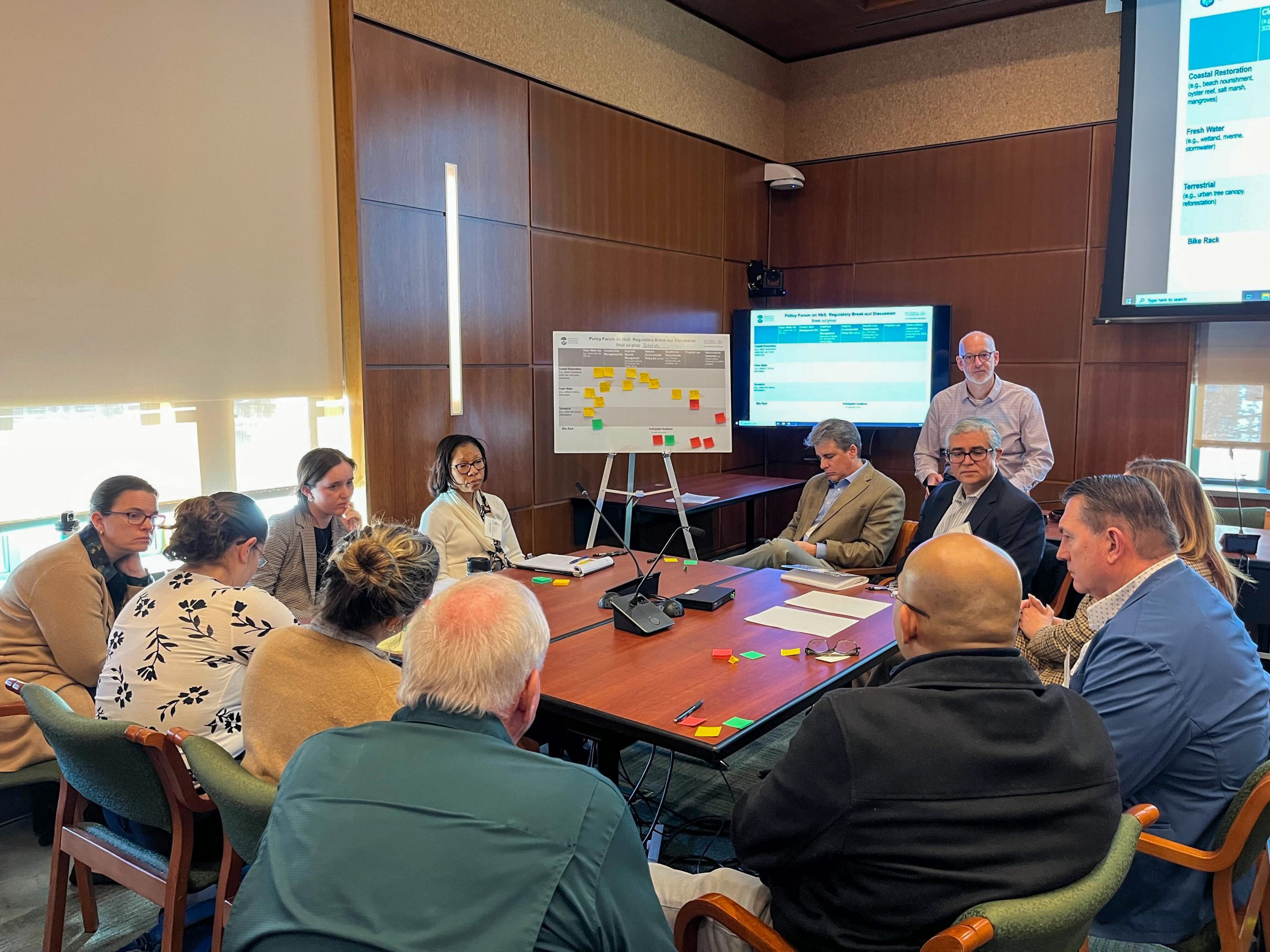
N-EWN Goes to Washington: National Policy Forum on Nature-based Solutions
WASHINGTON, D.C. – Leaders from public, private and governmental organizations met at the National Academies of Science, Engineering and Medicine on February 7-8, 2024 to discuss policy and development of nature-based solutions (NbS). The first National Policy Forum was held to provide opportunities for policymakers, regulatory bodies, and practitioners to discuss the necessary policy reforms…
-
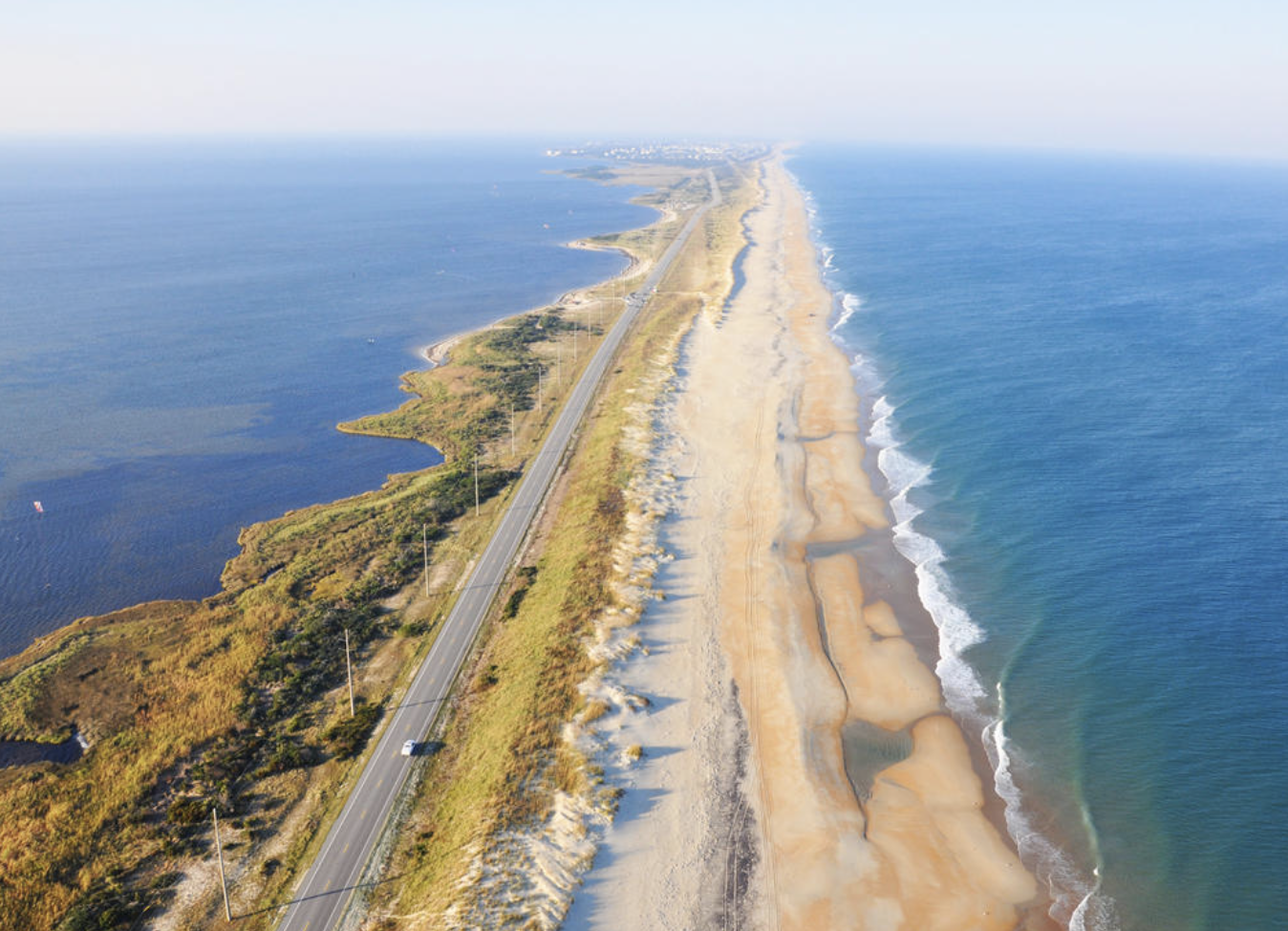
Gulf Coast hurricane resilience: UF natural infrastructure research featured by NPR
Researchers from the University of Florida were featured in an article from NPR on Thursday, Feb. 15 titled Hurricane Idalia shows nature may provide the best shoreline protection. The article describes how the team encouraged the growth of oyster beds by building artificial reefs offshore with the goal of slowing storm surge and flooding. “We…
-
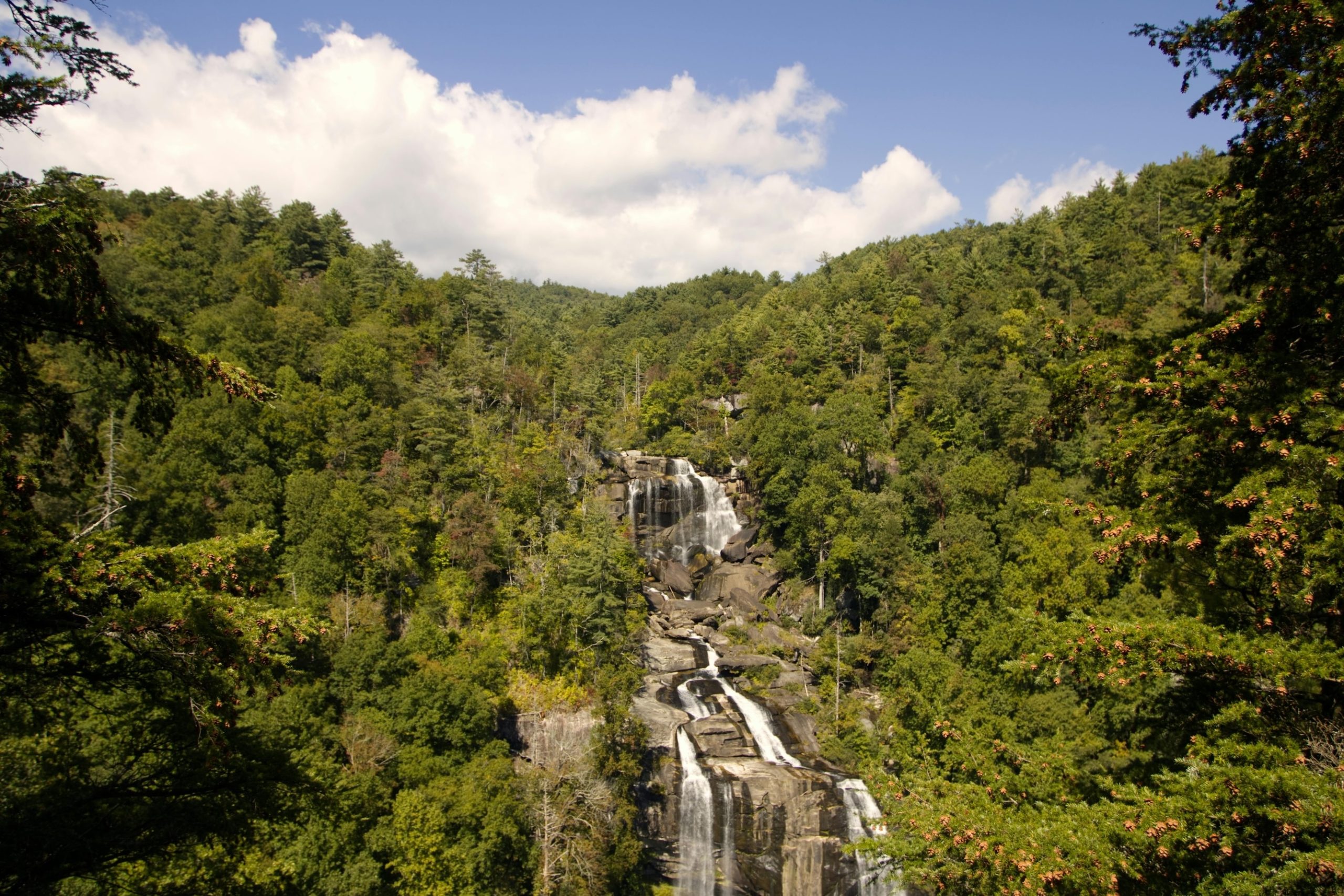
Duke University on new North Carolina Conservation Executive Order
Originally posted by the Nicholas Institute for Energy, Environment & Sustainability, Duke University, via LinkedIn. View their page here. Duke University experts Lydia Olander and Katie Warnell joined North Carolina Gov. Roy Cooper on stage Monday after he signed an executive order to protect and restore the state’s natural and working lands. Olander and Warnell have worked closely…
Catch up with us
Join our mailing list to stay abreast of all things natural infrastructure.