-

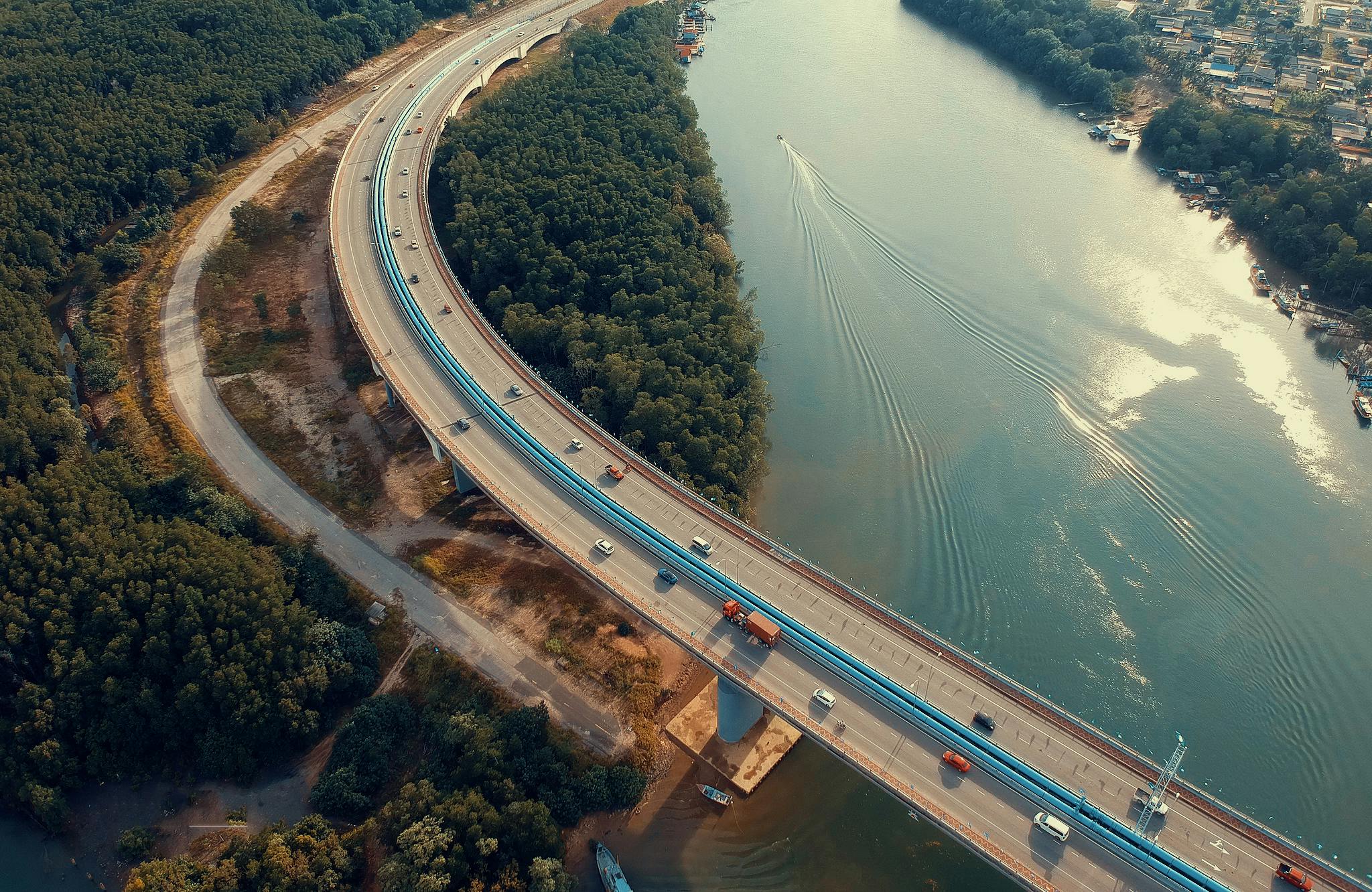
February & March Partner Podcast Roundup: Achieving Balance With Nature
Resilient Futures Podcast University of Georgia Institute for Resilient Infrastructure Systems It’s All Connected: A Framework for Intertwined Infrastructure Systems In February’s episode, host Alysha welcomes her own PhD student, Negin Shamsi! The duo dive into their most recent publication: Interdependency classification: a framework for infrastructure resilience. Shamsi’s research focus is infrastructure and urban resilience.…
-
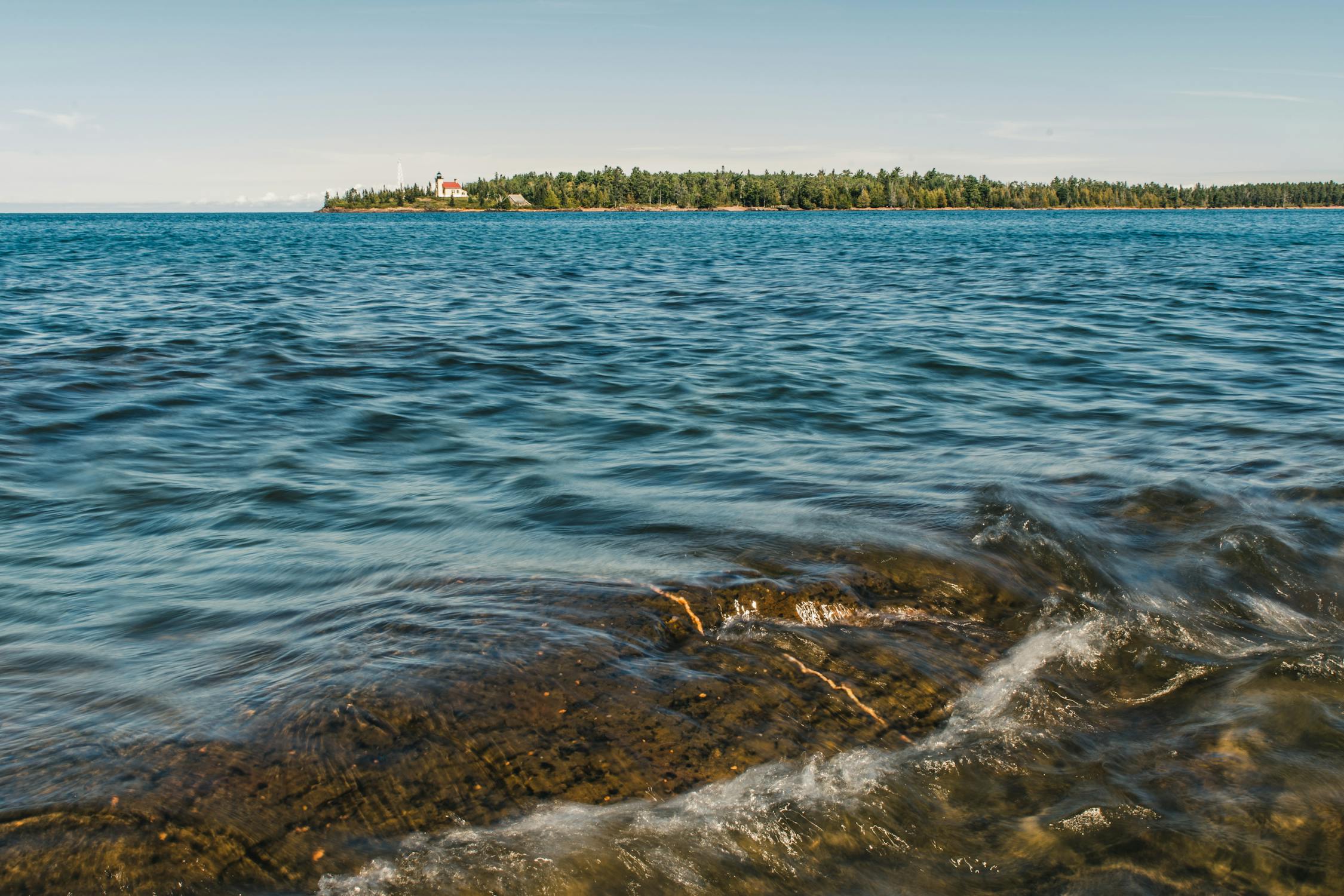
NOAA Recognizes Best Practices for Ecosystem Service Valuation Efforts
In a recent document on Measuring the Value of Ecosystem Services, NOAA shouted out work they found particularly impactful in the quest to adequately value the contributions of nature- including one of our newest partners, Earth Economics! “It’s common to hear people say that the value of nature and its services are priceless,” the NOAA…
-
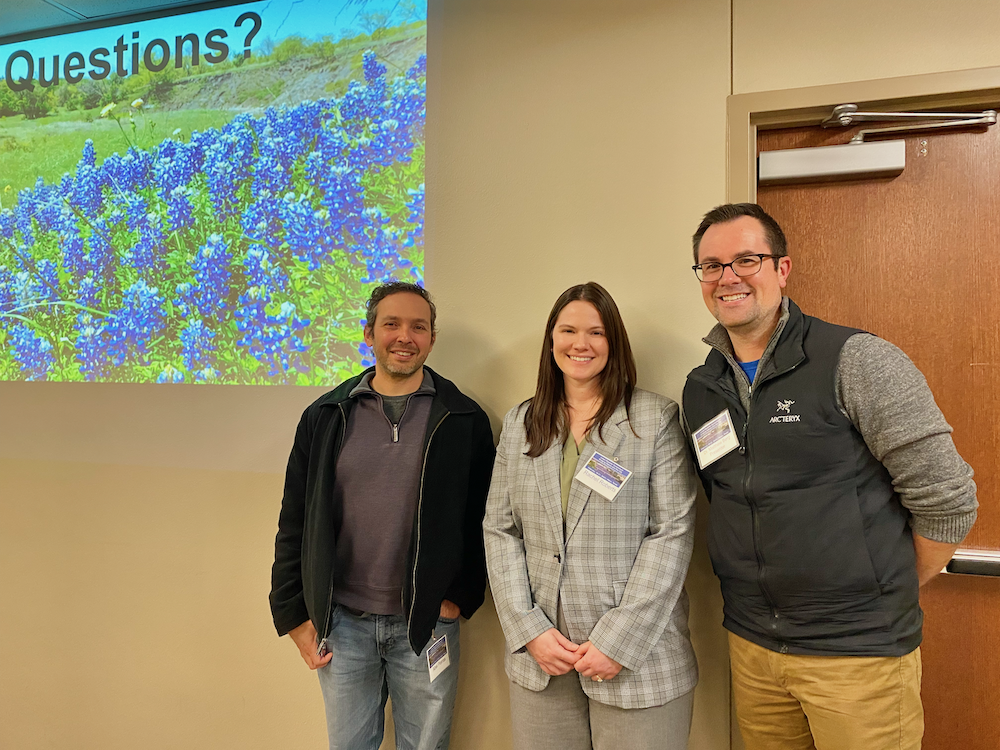
N-EWN partners represent at the 2025 Urban Riparian Symposium in Texas
Last month, we said “Hi, N-EWN” in Texas 👋🤠N-EWN partners City of Austin, San Antonio River Authority and Simfero teamed up to deliver a panel session on nature-based solutions at different scales as part of the 2025 Urban Riparian Symposium in Texas. Hosted by the Texas Riparian Association and the Texas Water Resources Institute, the…
-
March 2025 Knowledge Series: Leveraging Partnerships for Living Shoreline Implementation at Scale
Mary-Margaret S. McKinney, RF, Director of Coastal Restoration, Native Shorelines, a Davey Company Healthy, well-vegetated coastlines are resilient coastlines, able to withstand daily pressures and quickly recover from storm events. Unfortunately, many of our coastlines are not healthy and seem to require ever greater measures for stabilization. Traditional stabilization methods reduce or eliminate many of…
-
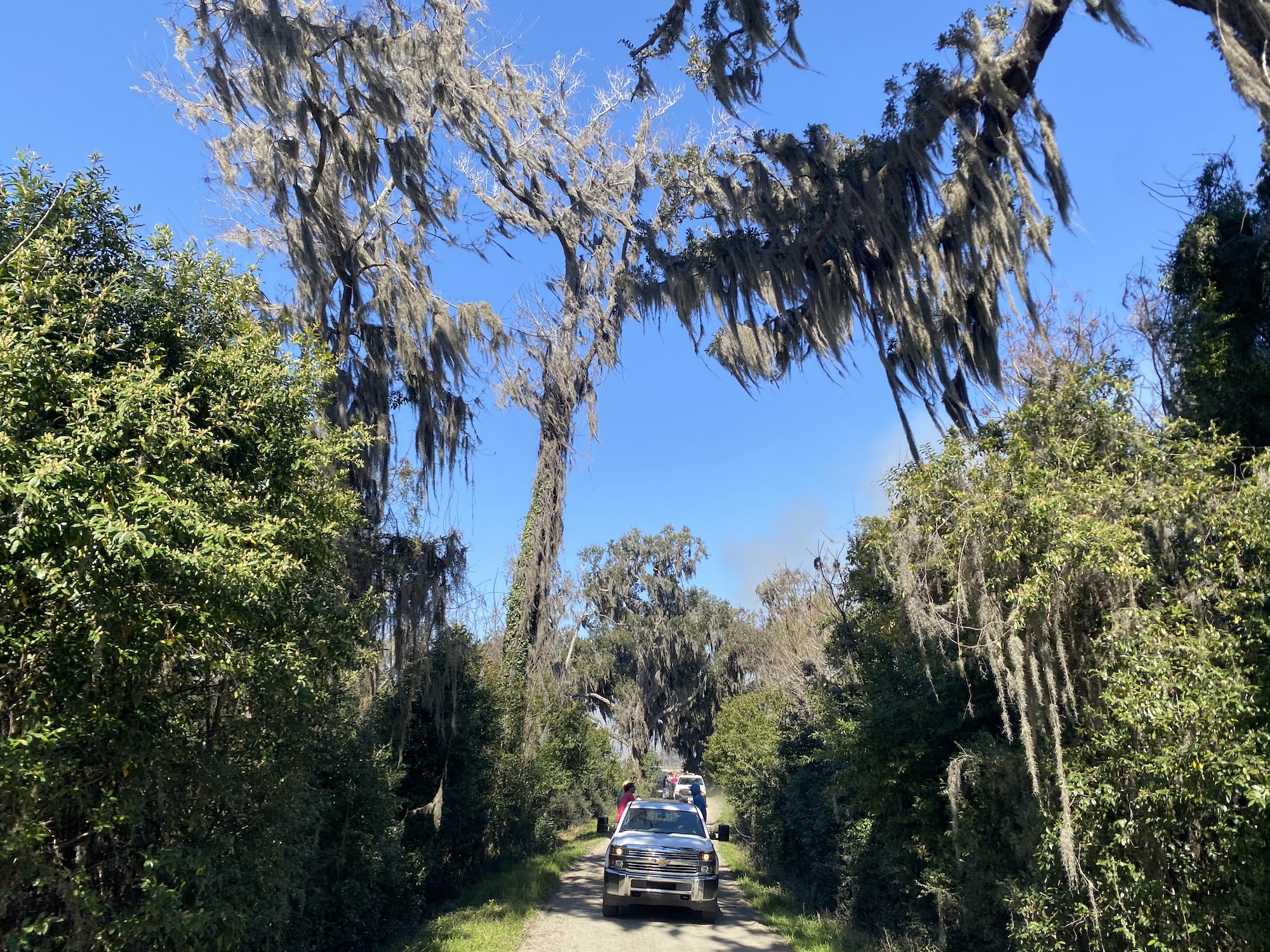
Natural Infrastructure Fellows attend Ducks Unlimited National Engineering Meeting
Originally published here by the UGA Institute for Resilient Infrastructure Systems. Written by Olivia Allen. As part of the Institute for Resilient Infrastructure Systems (IRIS)’ commitment to providing educational opportunities grounded in the real world, we partnered with Ducks Unlimited (DU) to create the Natural Infrastructure (NI) Fellowship. The NI Fellowship offers funded graduate fellowships for Masters students…
-
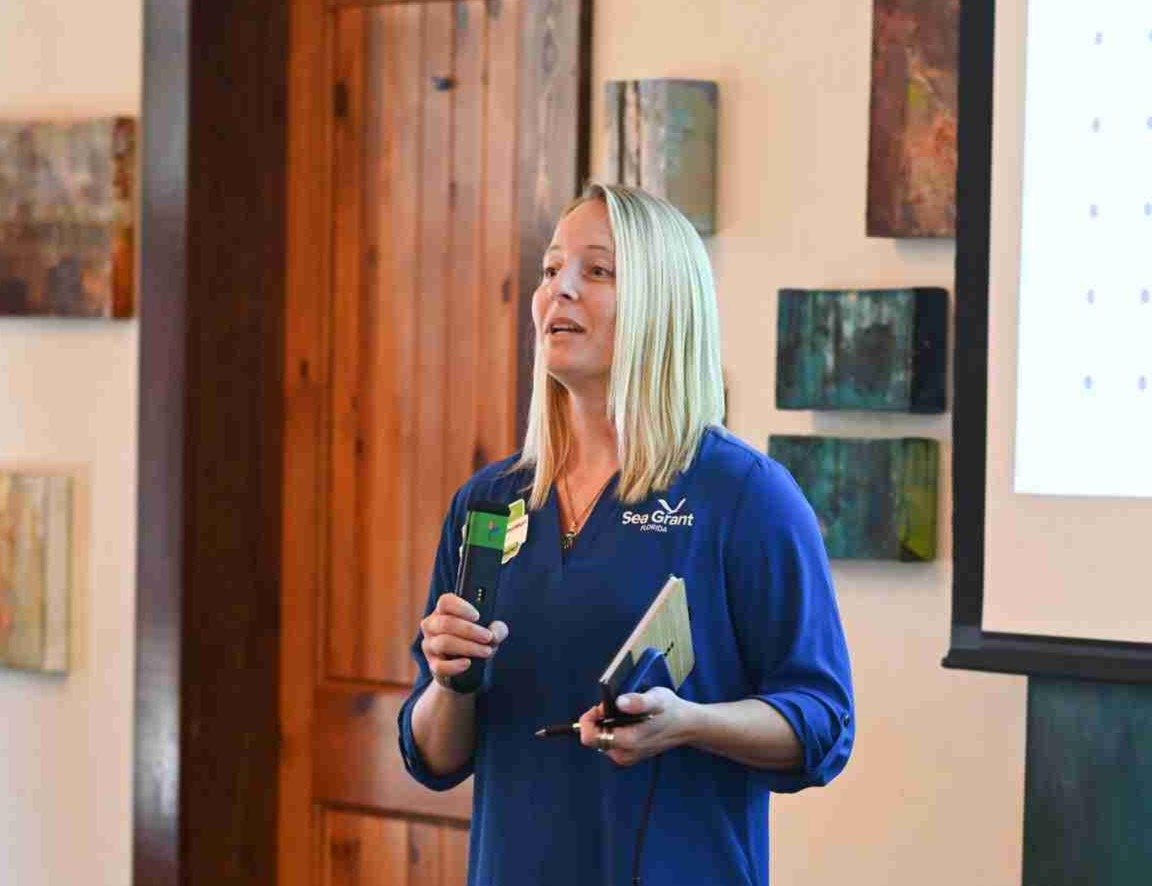
From the University of Florida: Cutting-edge research takes center stage at coastal summit
Originally posted on the University of Florida, Center for Coastal Coastal Solutions, website. Read the original post here. The survival of eelgrass, once the dominant seagrass species in Chesapeake Bay—the nation’s largest estuary—is now severely threatened, primarily due to rising temperatures and heatwaves. Traditional seagrass restoration efforts in the bay have struggled to sustain healthy…
-
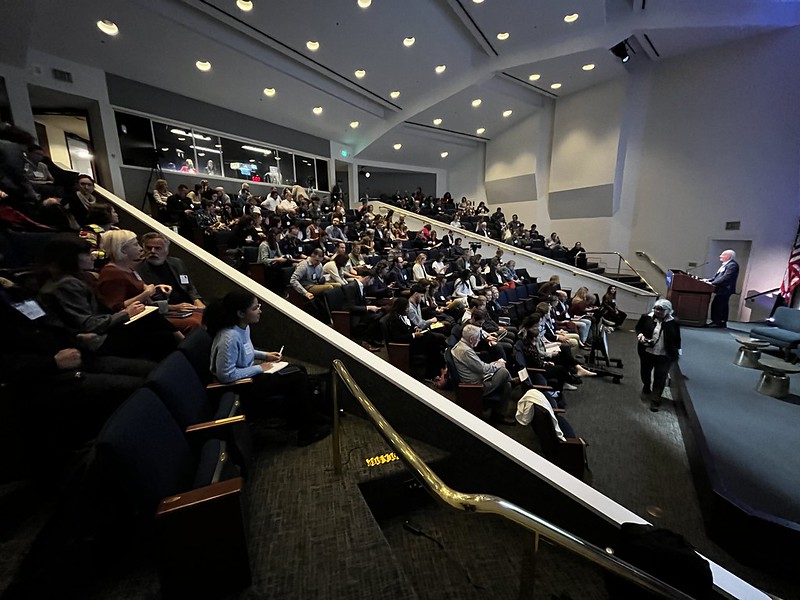
The National Practice Forum on Nature-Based Solutions
The Network for Engineering With Nature (N-EWN), National Academies of Sciences, Engineering, and Medicine (NASEM), and the University of California Santa Cruz (UCSC) Center for Coastal Climate Resilience hosted a national forum focused on the practice of nature-based solutions. The two-day event was held February 4-5, 2025, at the National Academies’ Beckman Center in Irvine, California. The forum brought together…
-
February 2025 Knowledge Series: Engineering With Nature (EWN®)- Natural and Nature Based Features (NNBF) for Inland Fluvial Restoration
Christopher Haring, Research Physical Scientist, USACE ERDC River Engineering Branch, Coastal Hydraulics Laboratory Engineering With Nature (EWN®) and Natural and Nature Based Features (NNBF) is a principal component to the U.S. Army Corps of Engineers (USACE) inland fluvial watershed, Flood Risk Management (FRM), Regional Sediment Management (RSM), and Ecosystem Restoration portfolio of programs. In a…
-
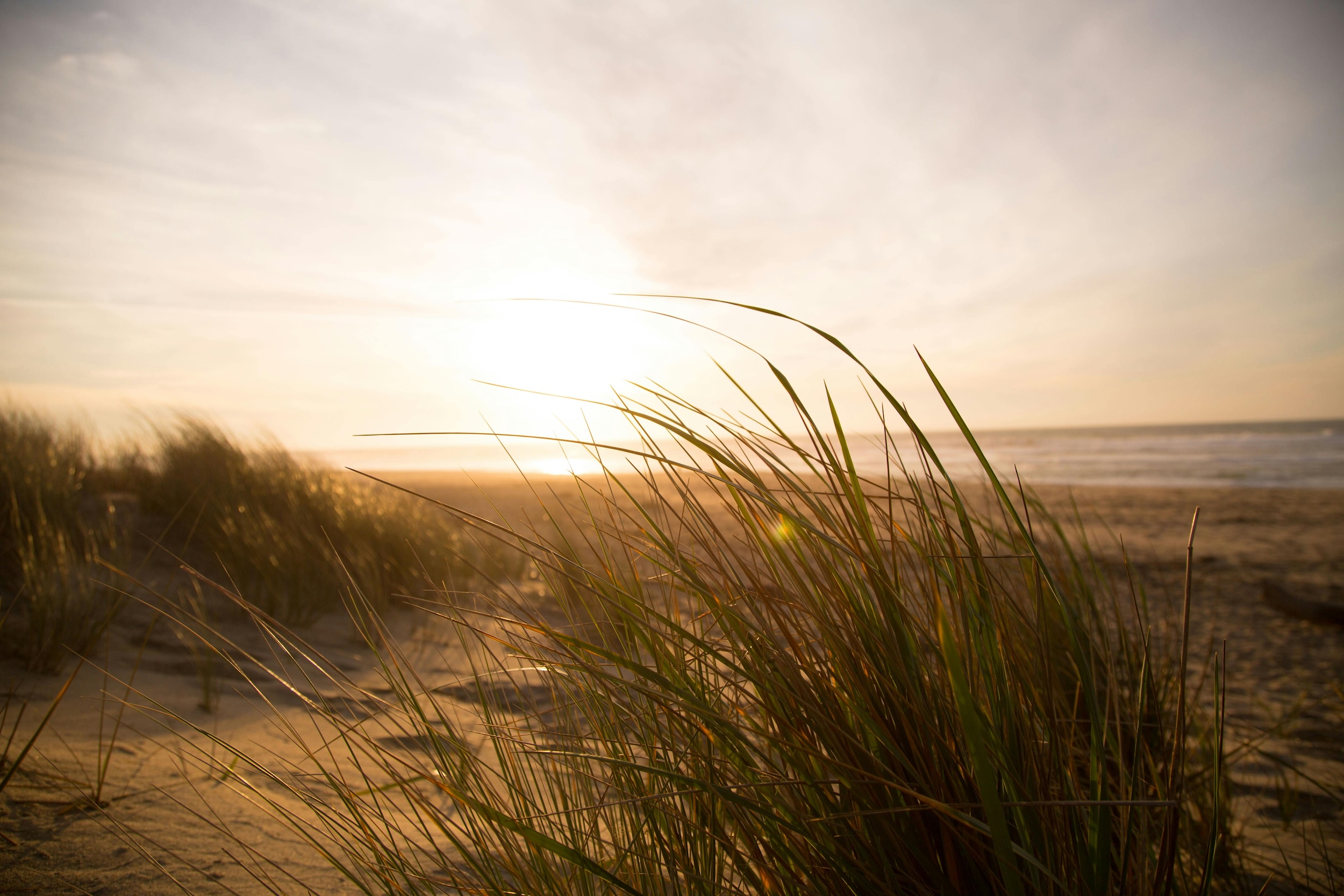
N-EWN Team Relocates a Live Dune Segment for Laboratory Investigation
Originally published here by Engineering With Nature®, U.S. Army Corps of Engineers Engineer Research and Development Center. Written by Courtney Chambers. The EWN research team from the Engineer Research and Development Center (ERDC), together with partners from the Network for Engineering With Nature (N-EWN), in coordination with local agencies, has undertaken a groundbreaking study to investigate the…
-
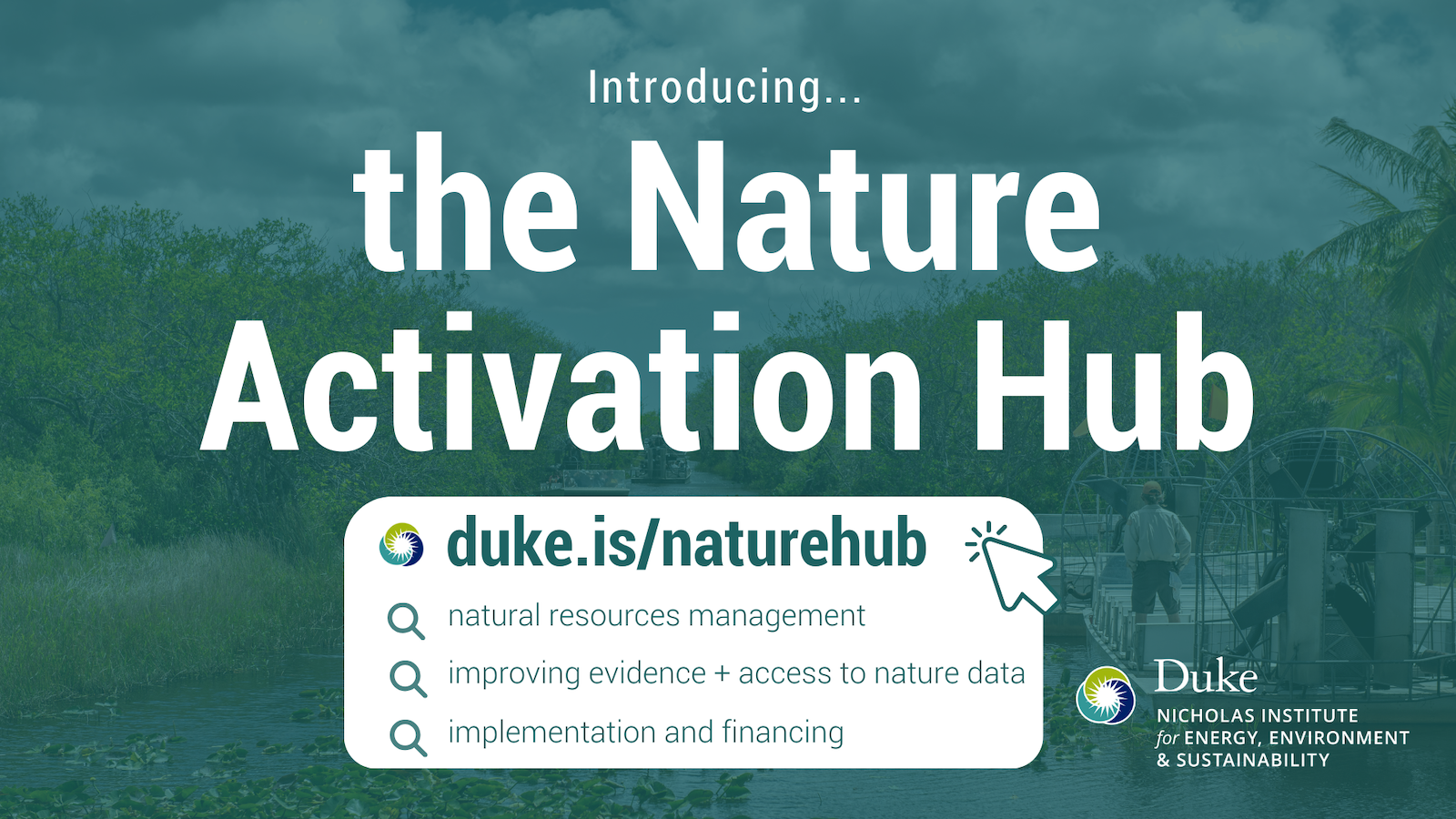
Duke Experts Offer Resources for Activating Nature
Originally published here by the Duke University Nicholas Institute for Energy, Environment & Sustainability. For two decades, experts at Duke University’s Nicholas Institute for Energy, Environment & Sustainability have undertaken actionable research and developed purposeful partnerships aimed at integrating nature’s benefits into decision-making. [Launched on January 14], the Nature Activation Hub elevates and organizes this work—bringing together…
-
December & January Partner Podcast Roundup: Green Solutions at Multiple Scales
Resilient Futures Podcast University of Georgia Institute for Resilient Infrastructure Systems How big does an urban garden need to be to support pollinators and other important insects? What kinds of plants lead to the most biodiverse space? How should homeowners manage their gardens to support the natural world? Get the full garden scoop with PhD…
-
January 2025 Knowledge Series: Ecology and Engineering of Native Plant-Soil Interactions and Riparian Structures
Hailey N. Blackwell & Nethmi Silva, PhD Candidates, University of Oklahoma Current engineering practices and regulations regarding vegetation on levees have resulted in the predominant use of non-native, annual or perennial turf grasses. These plants typically have thin, fibrous, and shallow root structures which are maintained as turf via regular maintenance mowing which is labor…