-

Partner Profile: University of Florida Center for Coastal Solutions
Center for Coastal Solutions, University of Florida The Center for Coastal Solutions (CCS) in the UF Herbert Wertheim College of Engineering develops and delivers the best available science and technology for use by decision makers to improve water quality, restore ecosystems and build coastal resilience. We focus on driving impacts in four program areas: 1)…
-
New publication from UCSC explores marsh restoration for flood risk reduction
In a recent study published in Nature, coastal researchers evaluate salt marsh restoration as a flood prevention measure to protect community water resilience. The study, titled “The value of marsh restoration for flood risk in an urban estuary,” utilizes a hydrodynamic model of San Francisco Bay to simulate storms and their flood impacts with and…
-
May 2024 Knowledge Series: Remote Sensing Capabilities to Support EWN Projects
Molly Reid, Research Geographer and Team Lead, Christina Saltus, Research Geographer, & Glenn Suir, Research Agronomist and Adjunct Professor, USACE ERDC Environmental Lab There is an increasing opportunity and number of EWN projects seeking support to use remotely sensed data and geospatial methodologies to help quantify environmental benefits. Remote sensing approaches are expected to be instrumental in…
-
N-EWN Knowledge Series: Remote Sensing Capabilities to Support EWN Projects
Join us this Thursday, May 16 at 12:30pm ET for the next N-EWN Knowledge Series: Remote Sensing Capabilities to Support EWN Projects. The speakers for this month are from USACE ERDC’s Environmental Lab: There is an increasing opportunity and number of EWN® projects seeking support to use remotely sensed data and geospatial methodologies to help quantify…
-
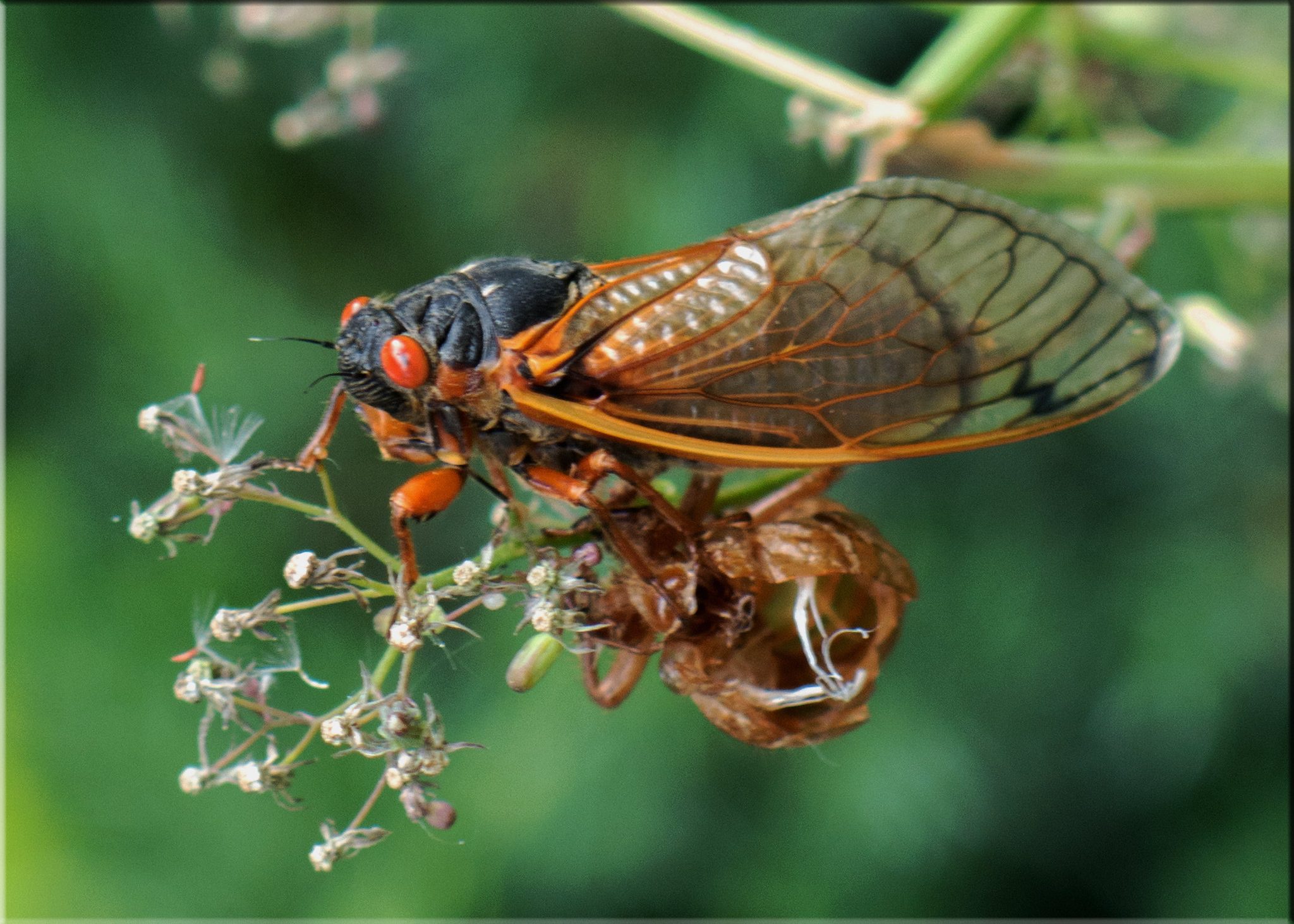
Nature At Work: Are these cicadas magicians or mathematicians?
Depending on where you live, you might have noticed a new winged critter popping up… everywhere. Don’t worry! Despite their giant, buzzing wings, unending eerie song, and those bright red eyes, cicadas aren’t here to do any harm. And this year, they’re actually a natural event you won’t want to miss. These cicadas are known…
-
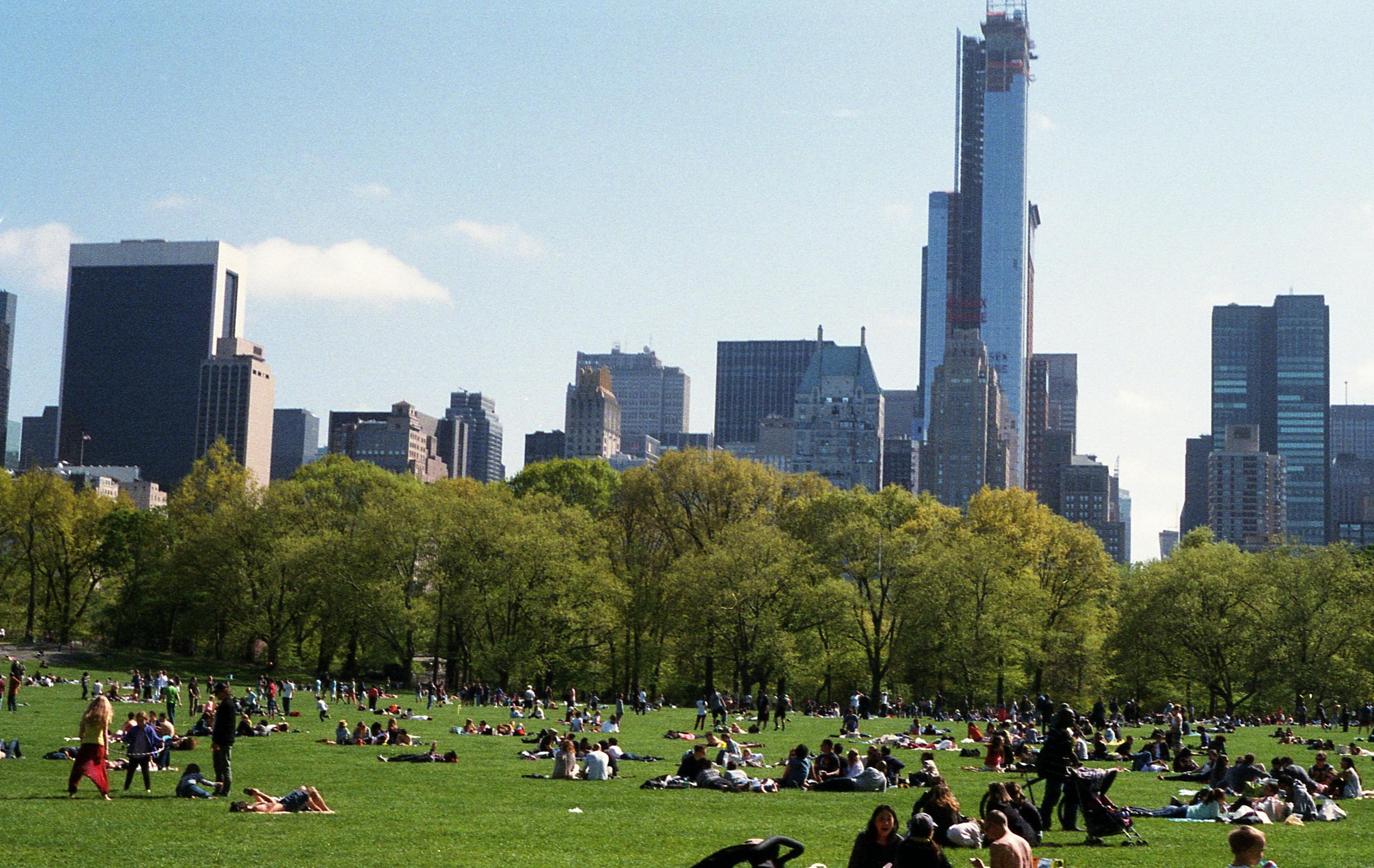
New publication: Human well-being and natural infrastructure
In a new paper published in Frontiers in Ecology and Evolution, authors from the U.S. Army Engineer Research & Development Center (ERDC) explore the psychological, physiological, medical, and social benefits to humans of exposure to nature, and how natural infrastructure (NI) projects can take these into account to continue to deliver those benefits. The authors…
-
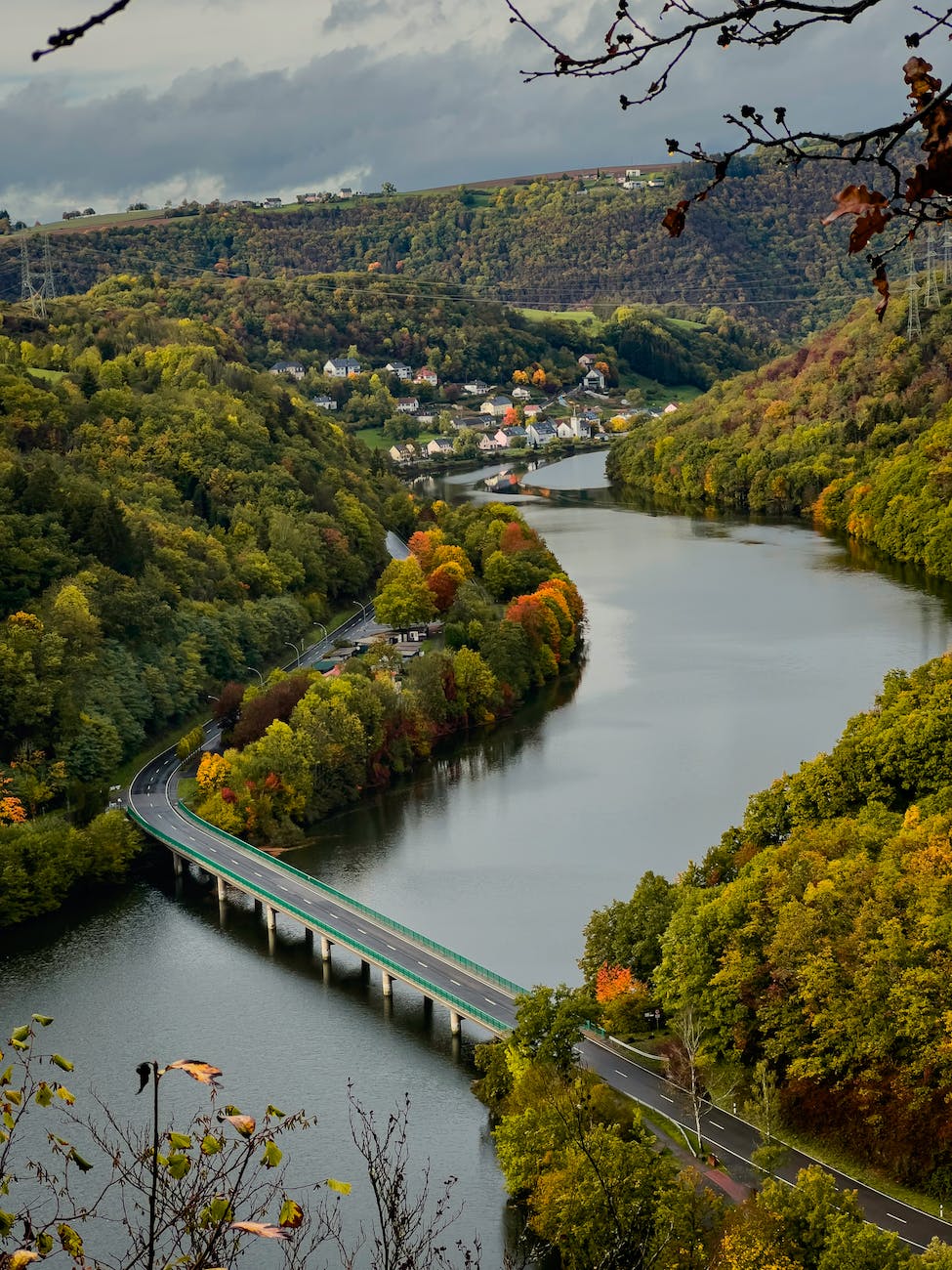
IRIS affiliates file comments on USACE proposed Agency Specific Procedures
Originally published here by UGA’s Institute for Resilient Infrastructure Systems. Article by Yee Huang, UGA. IRIS affiliates are contributing their expertise as the US Army Corps of Engineers updates its policies for evaluating potential new civil works projects. The Corps recently proposed new Agency Specific Procedures (ASPs) to implement the Principles, Requirements, and Guidelines (PR&G). IRIS Director Brian Bledsoe, along…
-

Partner Podcasts: Resilience in the Past… and to the Future!
This month, our partners’ podcasts looked backwards and forwards at resilience practices! The Resilient Futures Podcast – Expect the Unexpected: Resilience and Life Advice from the Late Bronze Age On the Resilient Futures Podcast, produced by the University of Georgia’s Institute for Resilient Infrastructure Systems, hosts Alysha Helmrich and Todd Bridges welcomed anthropologist and historian…
-
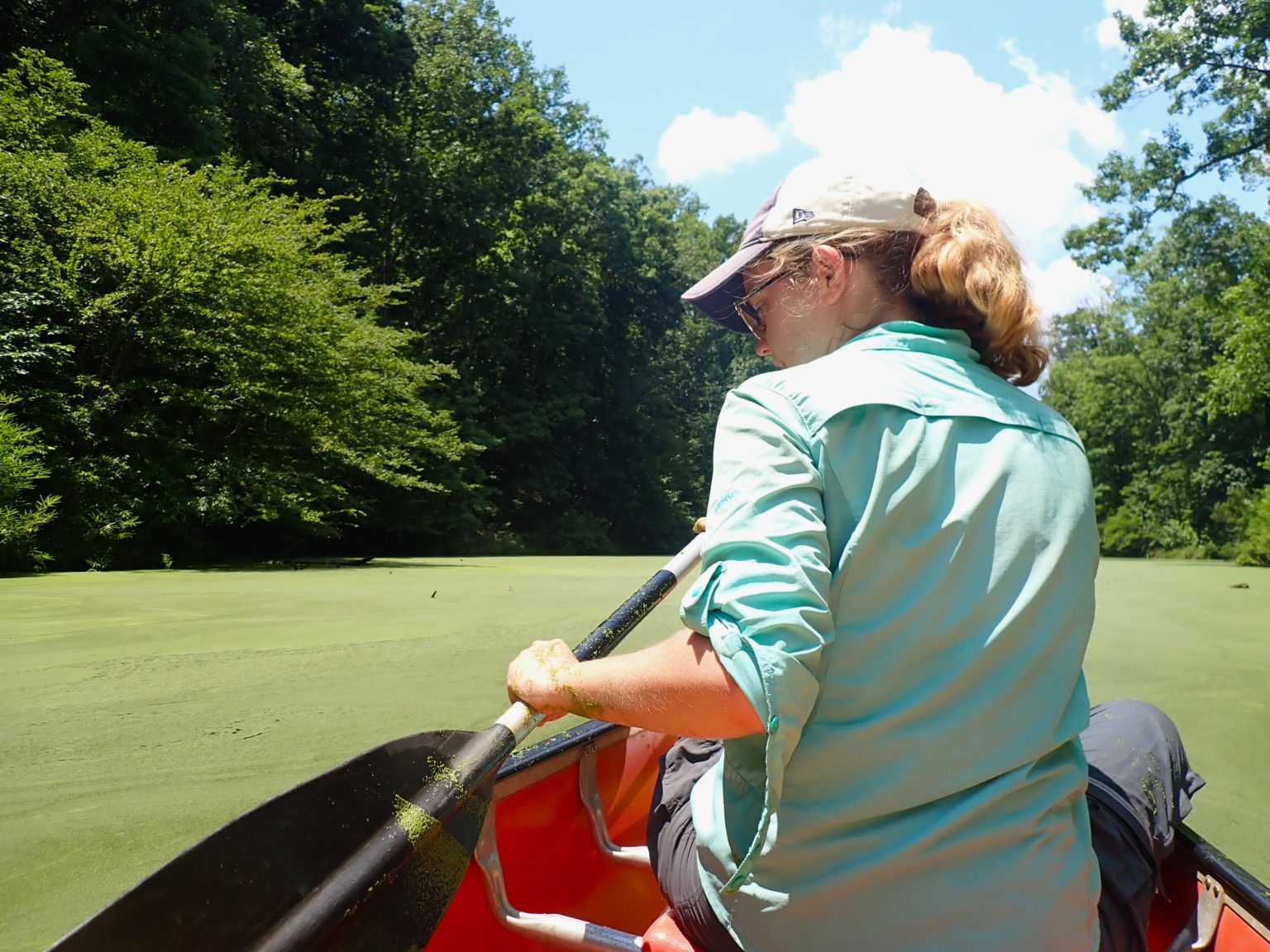
PhD in Review: Laura Naslund, UGA, reflects on her dissertation journey
Originally published here by The University of Georgia Institute for Resilient Infrastructure Systems. I first interviewed Laura Naslund as the sun rose over a pond near Watkinsville, Georgia in June of 2022. I was an intern at the River Basin Center helping with Naslund’s field work, and we had just finished two hours of paddling a canoe…
-
Duke University hosts panel on sustainable infrastructure
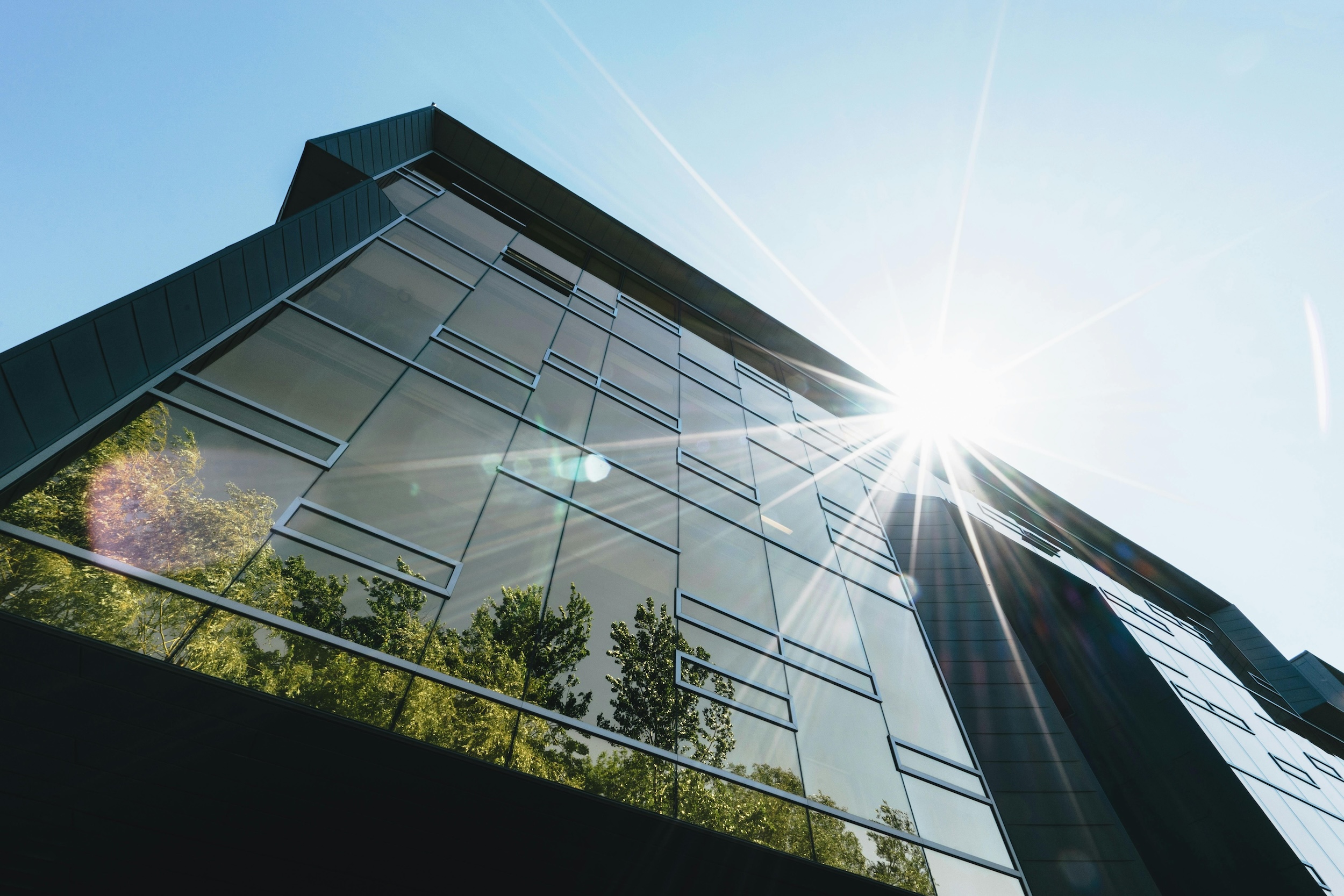
At a recent symposium hosted by Duke University, experts from across academic, governance and NGO sectors exchanged ideas about accelerating sustainable infrastructure development. “I’d like to think that we’re entering a renaissance period in civil engineering with the opportunities that are before us,” said Todd Bridges, Professor of Practice in Resilient and Sustainable Systems at…
-

Partner Profile: Center for Coastal Climate Resilience, UC Santa Cruz
Building coastal resilience by engaging partners, fostering leaders, and addressing the challenges from climate change in California and beyond with a strategic focus in 6 key areas: The Center supports projects that bring together researchers and practitioners to build innovative climate solutions. Project leads come from across campus in all divisions, including Arts, Humanities, Social…
-
Happy Earth Day! Introducing Nature At Work
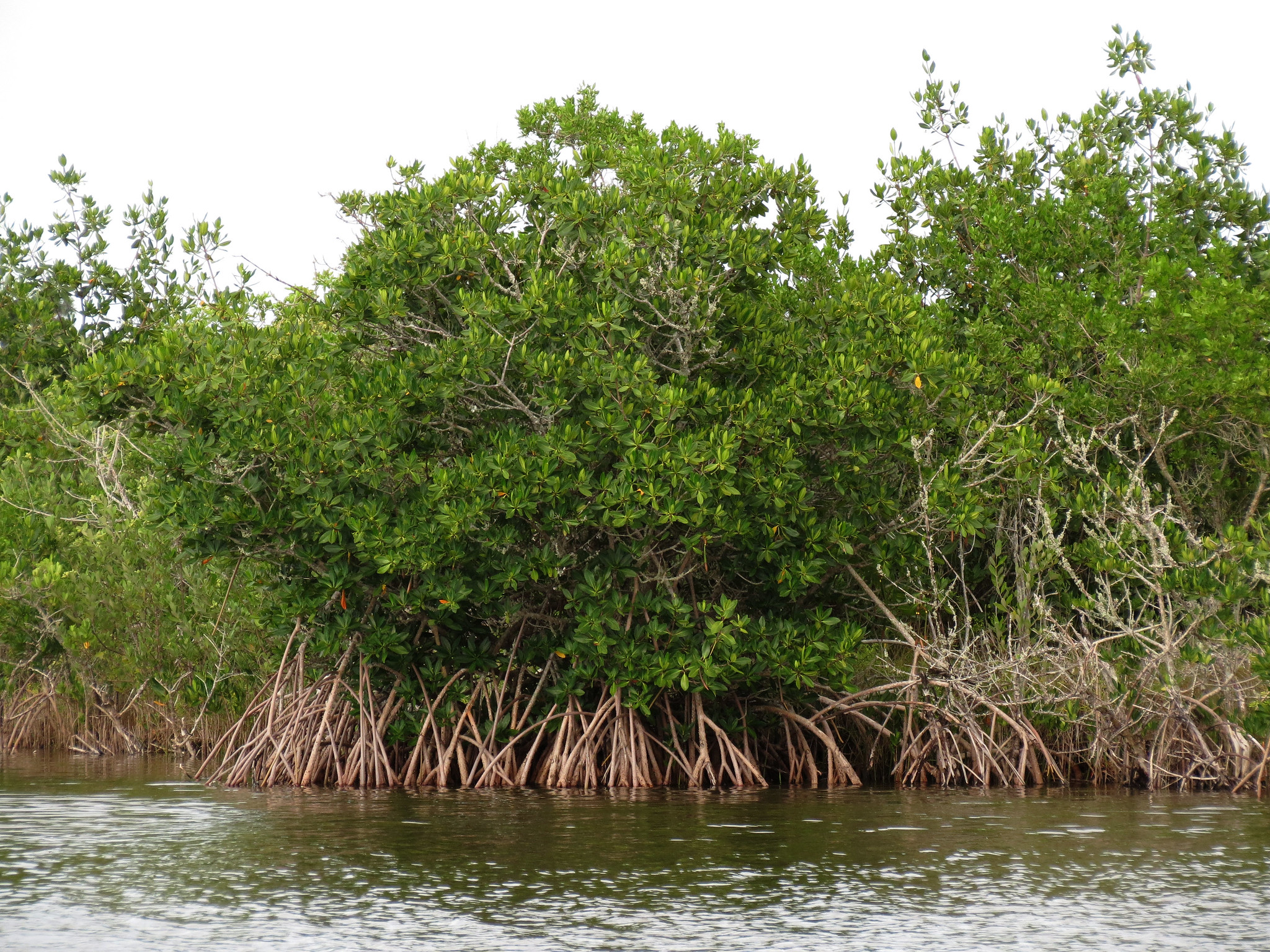
It’s Earth Day, so we’d like to talk about some of our favorite environmental engineers: Mangroves! The term mangrove actually refers to over 70 species of trees and shrubs that share common characteristics: namely, the ability to live partially submerged in salt water. Mangroves live in tropical and sub-tropical intertidal zones around the world, lining…