Tag: natural infrastructure
-

June 2026 Knowledge Series: The Design and Finance of Reef and Wetland Solutions to Protect People and Nature
Dr. Mike Beck, Director & Dr. Borja Reguero, Associate Professor, UCSC Center for Coastal Climate Resilience, Coastal Science and Policy Program, UC Santa Cruz Coastal risks are growing from changing conditions, development, and habitat loss. Wetlands and reefs provide billions of dollars annually in benefits for flood and erosion reduction; these benefits could finance much…
-

May 2026 Knowledge Series: EWN Compass: Implementation Toolbox for Natural and Nature-Based Features
Sarah Copertino, Senior Environmental Scientist, US Army Corps of Engineers Integrating natural and nature-based features (NNBF) is a key element of modern, sustainable infrastructure. This seminar introduces the EWN Compass, a user-friendly ArcGIS application developed to support the efficient selection and integration of NNBF into infrastructure engineering projects. Participants will gain centralized access to relevant…
-

April 2026 Knowledge Series: Modern, reproducible modeling workflows for water feature design
Anthony Aufdenkampe, LimnoTech Nature-based solutions (NBS) seek to improve water quality by leveraging natural ecological and biogeochemical processes, but the interplay between these processes, especially in moving water, is challenging to anticipate. When high confidence in outcomes is needed, stakeholders often turn to numerical modeling. However, most existing water simulation tools are outdated and based…
-
March 2026 Knowledge Series: Dutch experience with beaches and dunes as coastal Natural and Nature Based Features for Flood Risk Management
An overview of 30 years of nature-basedcoastline management Quirijn Lodder & Evelien Brand, Rijkswaterstaat Coastal erosion threatens beaches and dunes globally. In the Netherlands, a coastline maintenance policy was implemented in the 1990’s to combat this erosion, with sand nourishments as the primary means. As a result, the Dutch coast is one of the most heavily…
-

February 2026 Knowledge Series: Waterfront Design for Resilient Communities
Joseph Stukowi, Chief Waterfront Design Officer, Waterfront Alliance This webinar will discuss emerging trends in waterfront design with a focus on embedding resilience, providing access, and ecology in urban waterfronts.The presentation will include an overview of the Waterfront Edge Design Guidelines (WEDG®) and case study projects from riverine, lacustrine, and coastal waterfronts across the U.S.…
-
January 2026 Knowledge Series: Streamlined Success: Delivering Fish Passage in Complex Urban Systems
Jonathan Scheibly, PWS, PE, Sandra Nelson & Gwen Macdonald, Stantec Fish passage restoration is a cornerstone of aquatic ecosystem conservation and resilience. Restoring access to historic habitats supports healthy fish populations and benefits entire riverine and marine ecosystems, vital to biodiversity and the revitalization of commercial and recreational fisheries, which in turn creates jobs and…
-

November 2025 Knowledge Series: Beyond the Dredge: Boosting Remediation Impact with Nature-based Solutions – The Money Case
Josef Rieger, Anchor QEA Located on the Southern Branch of the Elizabeth River in Chesapeake, Virginia, Money Point was once among the most contaminated sites on the Chesapeake Bay. Decades of industrial activity, including wood treatment operations, left the riverbed coated with toxic creosote. By 2006, the river bottom was biologically dead, and the few…
-
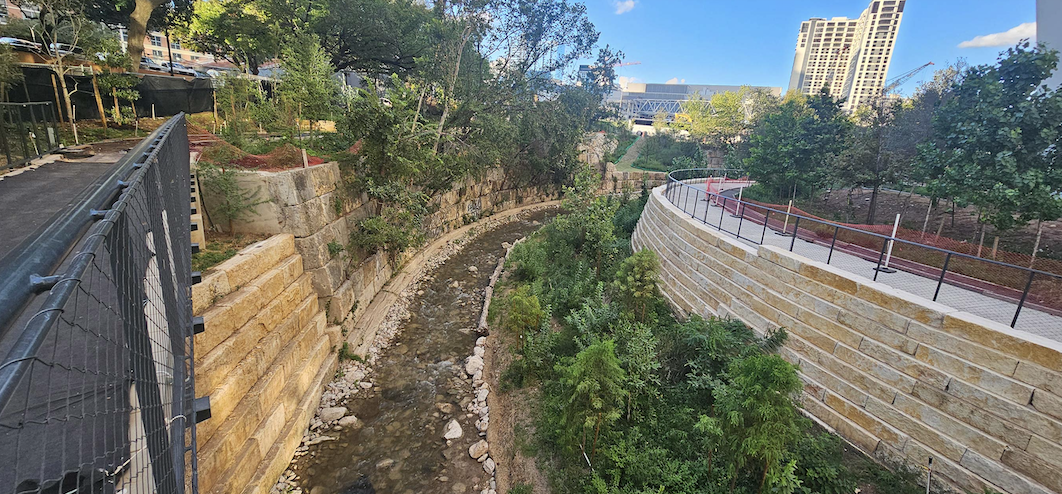
LimnoTech: Restoring Urban Ecology in the Heart of Austin, Texas
LimnoTech is proud to partner with Michael Van Valkenburgh Associates (MVVA), the Waterloo Greenway Conservancy, the City of Austin, and other partners on the transformation of Waller Creek into the vibrant Waterloo Greenway—a continuous chain of parks and restored waterways through downtown Austin. This ambitious effort is more than placemaking — it’s a living example…
-
October 2025 Knowledge Series: Harnessing Submerged Aquatic Vegetation (SAV) as a Natural Infrastructure Tool for Water Quality & Biodiversity
Nicholas Muzia, Sea & Shoreline Submerged aquatic vegetation (SAV), including freshwater macrophytes and saltwater seagrasses, is a valuable natural infrastructure tool for improving water quality and biodiversity. This presentation examines how SAV can be integrated into hybrid green/gray infrastructure and restoration projects to stabilize sediment, reduce wave energy, and enhance water clarity, fostering resilient habitats…
-
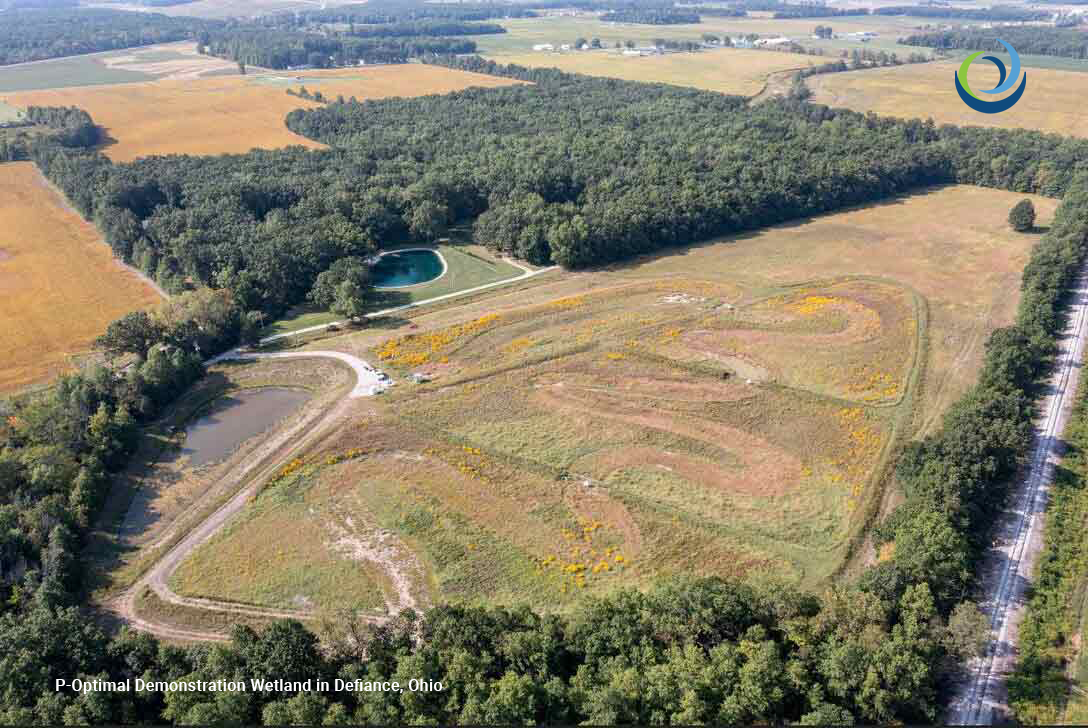
Limnotech: P-Optimal Demonstration Wetland in Defiance, Ohio
LimnoTech collaborated with the U.S. Army Corps of Engineers, Buffalo District, U.S. Army Engineer Research and Development Center (ERDC), SmithGroup, and other partners to design and construct a 10-acre demonstration wetland to serve as a prototype for optimizing phosphorus retention and nonpoint source nutrient load reduction from agricultural landscapes. Highlights include: Learn more about the…