Tag: natural infrastructure
-
Interdisciplinary team investigate roadblocks to natural infrastructure implementation
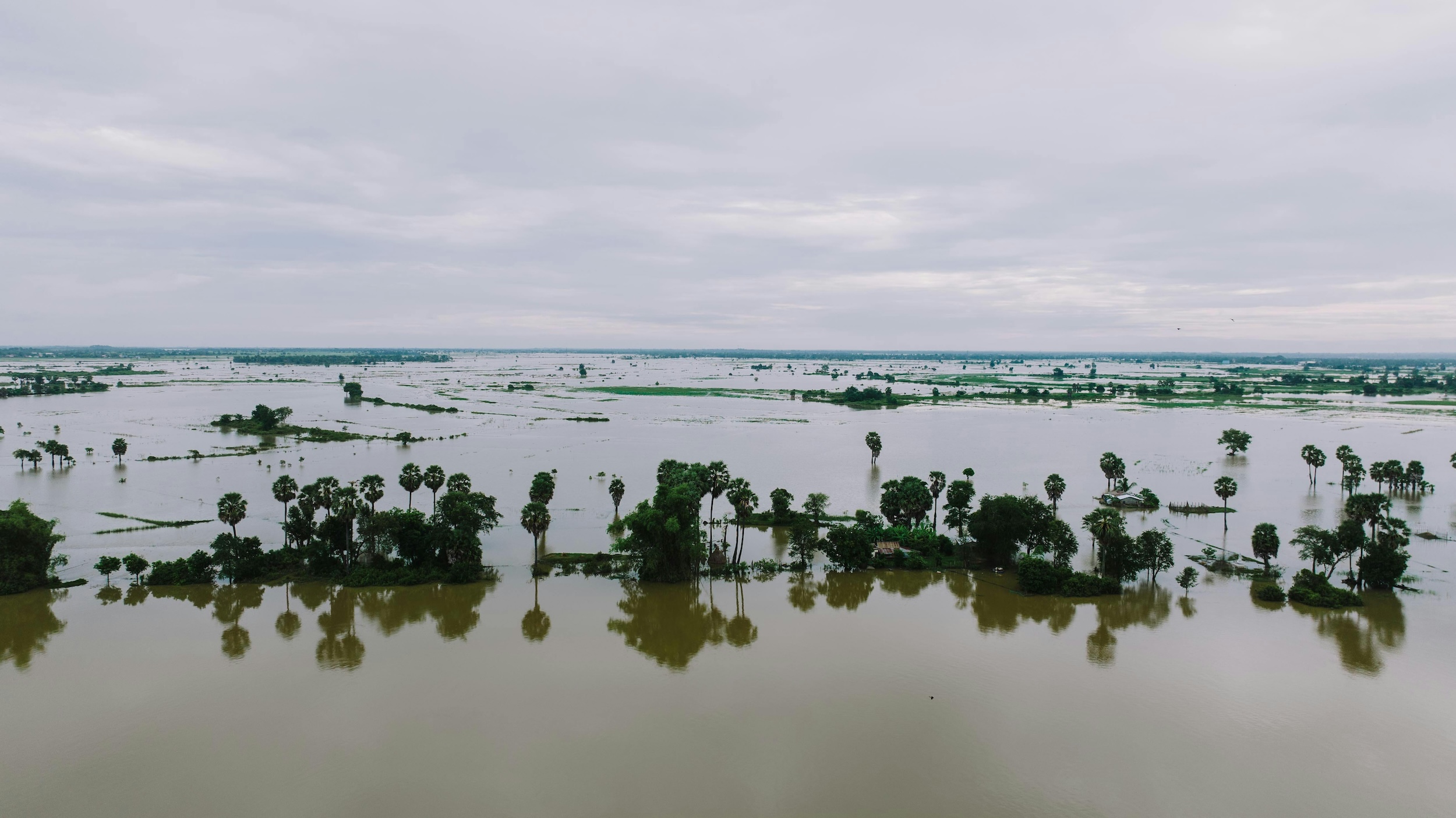
In a recent literature review published in Science of the Total Environment, a team that included our partners at the University of Georgia, NOAA National Centers for Coastal Ocean Science and The Water Institute investigated the roadblocks and knowledge gaps in the pathway to natural infrastructure implementation in coastal regions. “Approximately 40% of the global…
-

May 2024 Knowledge Series: Remote Sensing Capabilities to Support EWN Projects
Molly Reid, Research Geographer and Team Lead, Christina Saltus, Research Geographer, & Glenn Suir, Research Agronomist and Adjunct Professor, USACE ERDC Environmental Lab There is an increasing opportunity and number of EWN projects seeking support to use remotely sensed data and geospatial methodologies to help quantify environmental benefits. Remote sensing approaches are expected to be instrumental in…
-
New publication: Human well-being and natural infrastructure
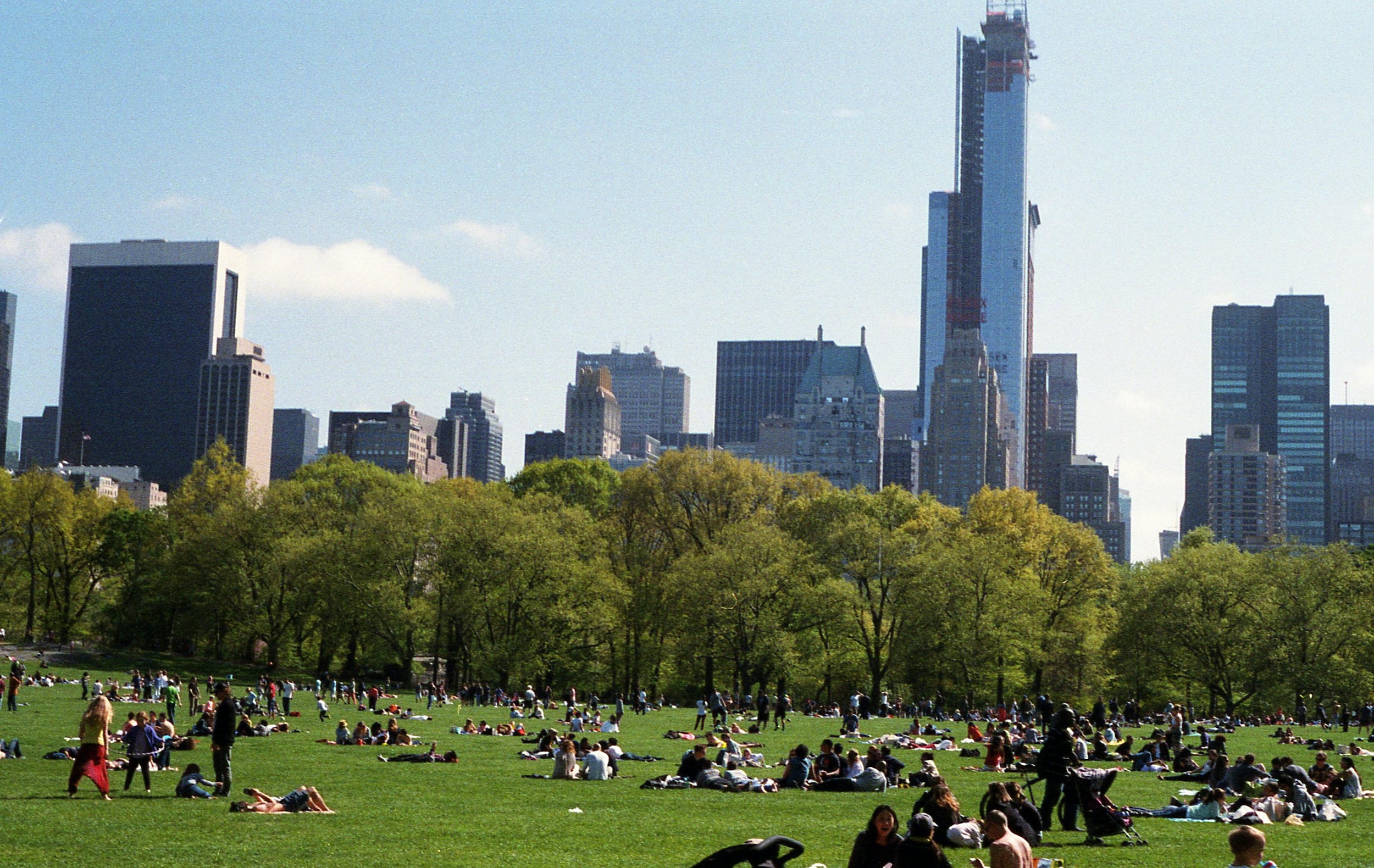
In a new paper published in Frontiers in Ecology and Evolution, authors from the U.S. Army Engineer Research & Development Center (ERDC) explore the psychological, physiological, medical, and social benefits to humans of exposure to nature, and how natural infrastructure (NI) projects can take these into account to continue to deliver those benefits. The authors…
-
April 2024 Knowledge Series: CarbonWATCH – Assessing Your Carbon Inventory at the Landscape Level Using Geospatial Technology
Grant Wiseman, Brendan Player & Dr. Martha Farella, Stantec As climate change becomes an increasing threat, and organizations across the globe are setting ambitious net zero and environmental, social, and governance (ESG) goals, assessing, inventorying, and monitoring carbon stock in plants and soils has become vitally important to a variety of businesses and sectors. Stantec’s CarbonWATCH tool measures the…
-
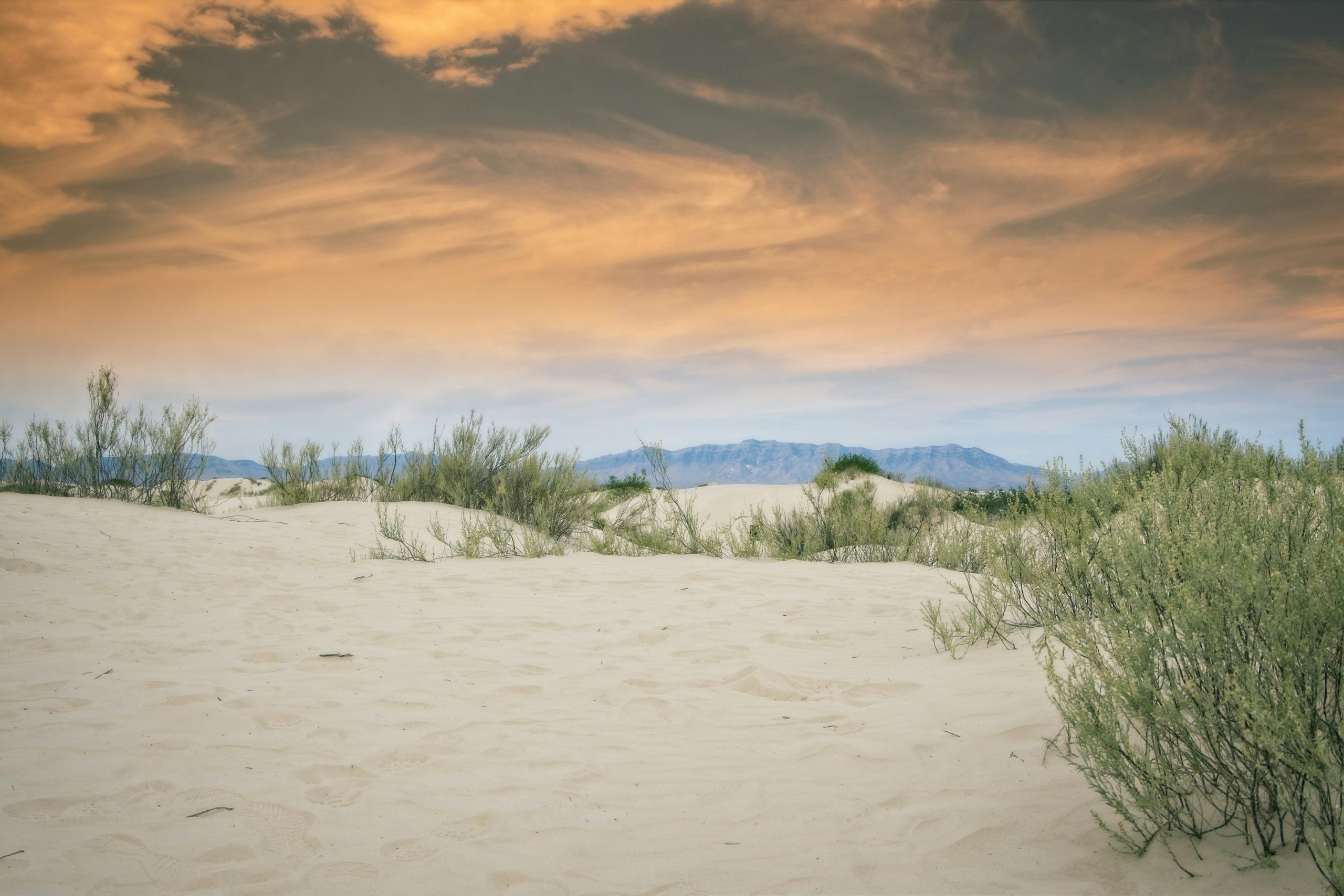
Partners featured in Washington Post article on the importance of dunes for climate solutions
Our partners at the University of Florida were quoted in a new article from The Washington Post titled “Dunes aren’t just big piles of sand. Here’s why Earth needs them.” Dunes are sandy landforms that line shores, supporting vegetation and wildlife and providing protection from storm surge. They form when sand is windblown up a…
-
March 2024 Knowledge Series: Advancing Dredging and Innovative Beneficial Use Practices for More Resilient Systems
Monica Chasten, EWN Proving Ground Lead, USACE Philadelphia District & Lenore P. Tedesco, Executive Director, The Wetlands Institute The US Army Corps of Engineers (USACE), Philadelphia District has been participating in the national Regional Sediment Management (RSM) and Engineering With Nature (EWN) Programs with considerable lessons learned developed for navigation dredging and placement activities in New Jersey,…
-
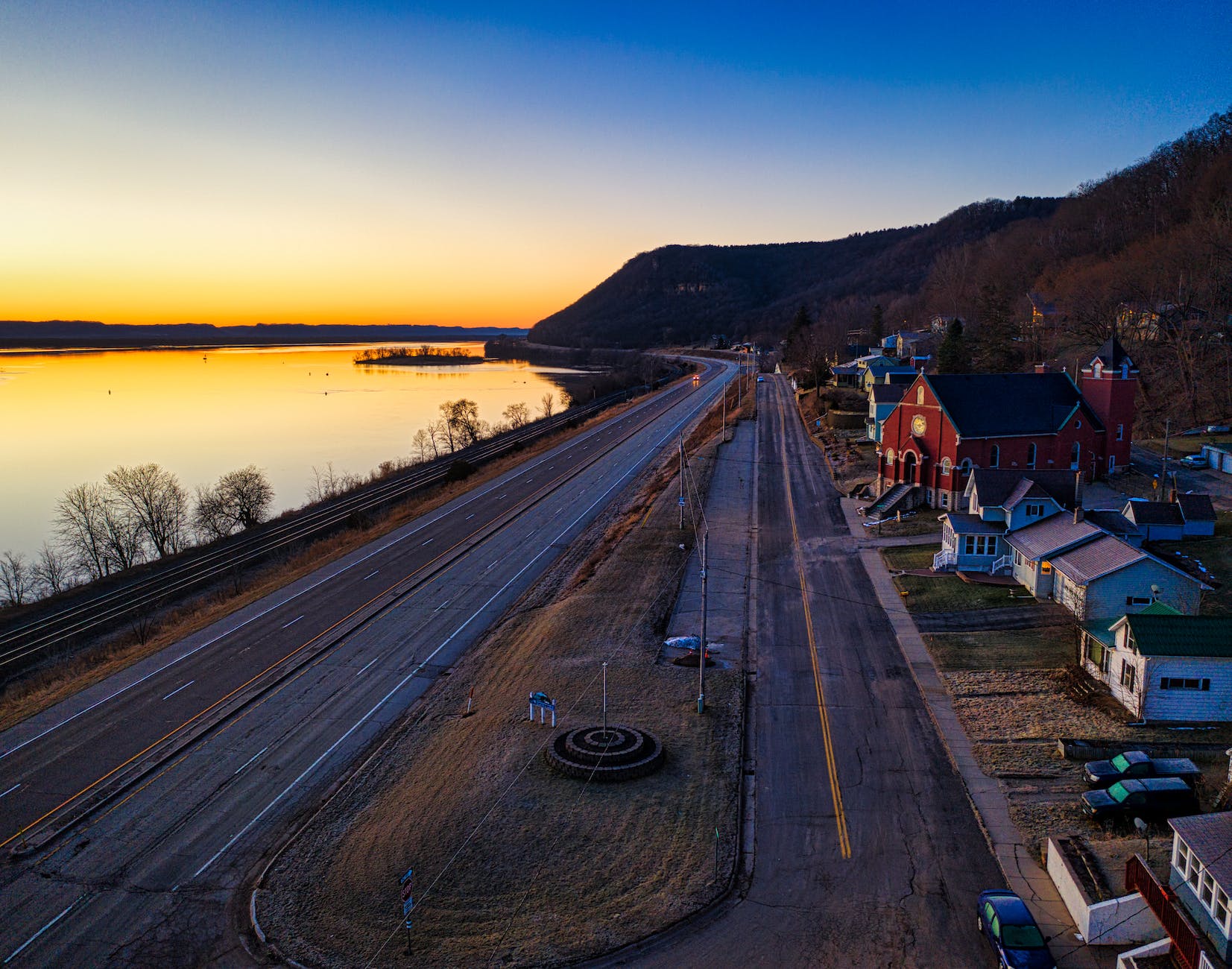
New Publication: Life Cycle Analysis of Natural Infrastructure Projects
A team of researchers from USACE and the University of Georgia’s Institute for Resilient Infrastructure Systems (IRIS), collaborating through the Network for Engineering With Nature (N-EWN), have proposed a new framework for the life cycle analysis of infrastructure projects that includes a more detailed view of project benefits and environmental impacts.
-
Gulf Coast hurricane resilience: UF natural infrastructure research featured by NPR
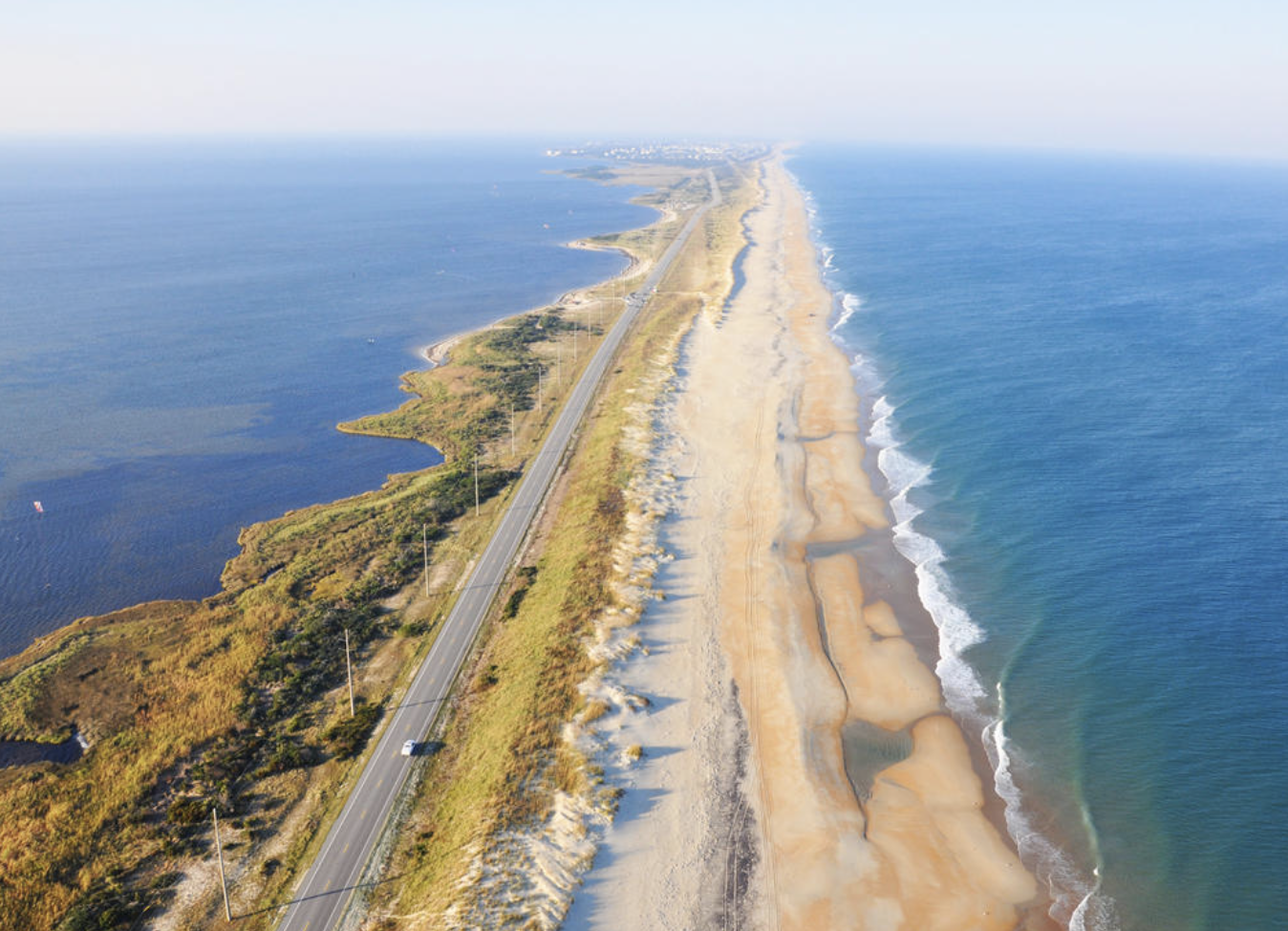
Researchers from the University of Florida were featured in an article from NPR on Thursday, Feb. 15 titled Hurricane Idalia shows nature may provide the best shoreline protection. The article describes how the team encouraged the growth of oyster beds by building artificial reefs offshore with the goal of slowing storm surge and flooding. “We…
-
February 2024 Knowledge Series: Tools for Life Cycle Cost Analysis and Application in Stream Restoration
Liya Abera, PhD, Engineer Research and Development Center, USACE Engineering projects typically require economic analysis of the costs and benefits of alternative actions. However, costs may not be distributed evenly over a project’s life cycle and may include initial capital investments, short-term adaptive management actions, long-term operations and maintenance, and eventually disposal. Engineering economics methods exist…
-
Partners featured in Washington Post: Natural infrastructure for rising seas
At Eagles Island in Wilmington, North Carolina, floats the historic Battleship North Carolina: a World War II museum right on the water. But as climate change causes sea levels to rise, this popular visitors’ spot could be at risk due to increasingly high tidal flooding. While multiple design and engineering firms suggested building walls around…